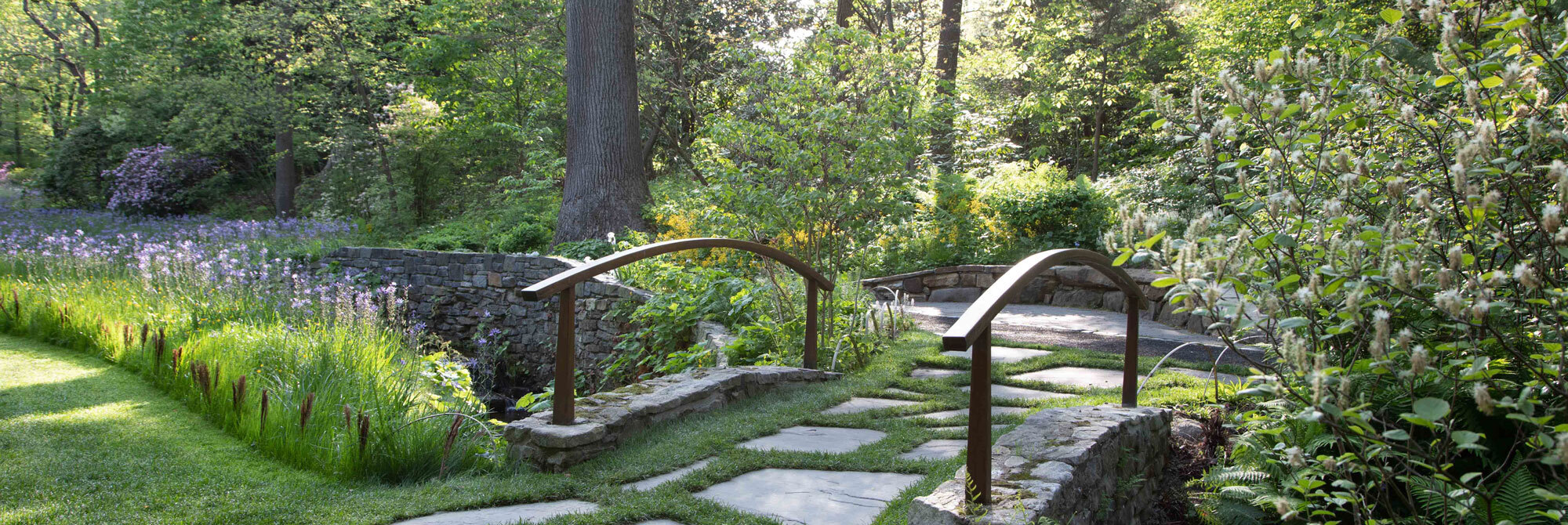
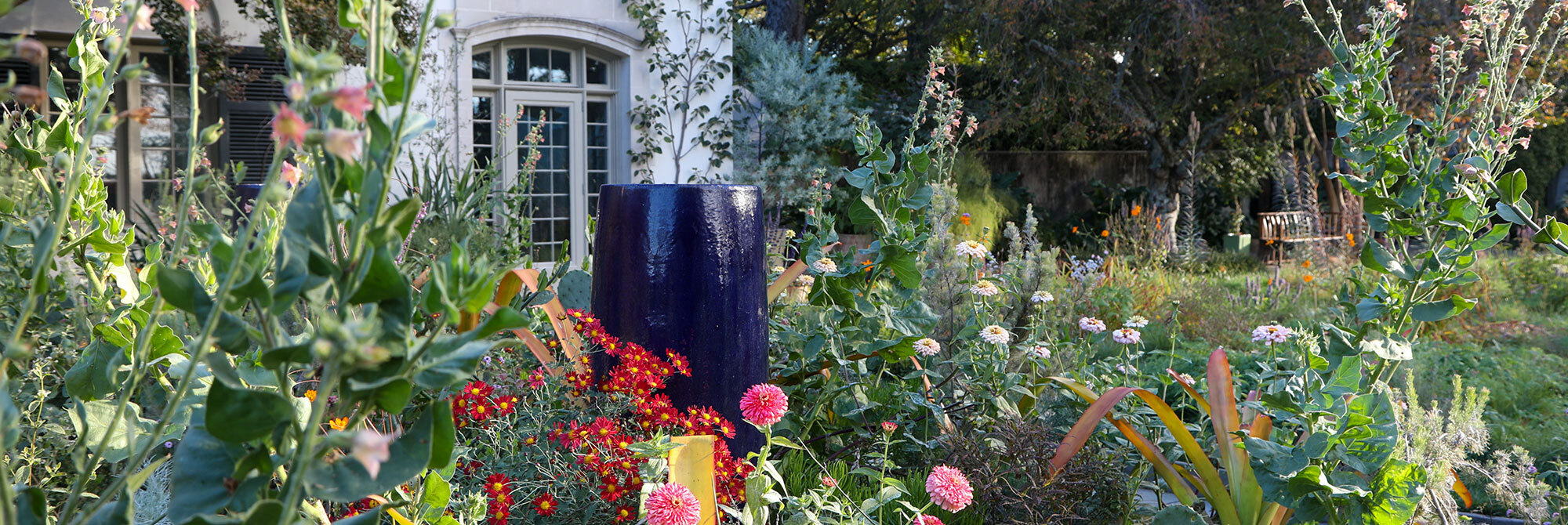
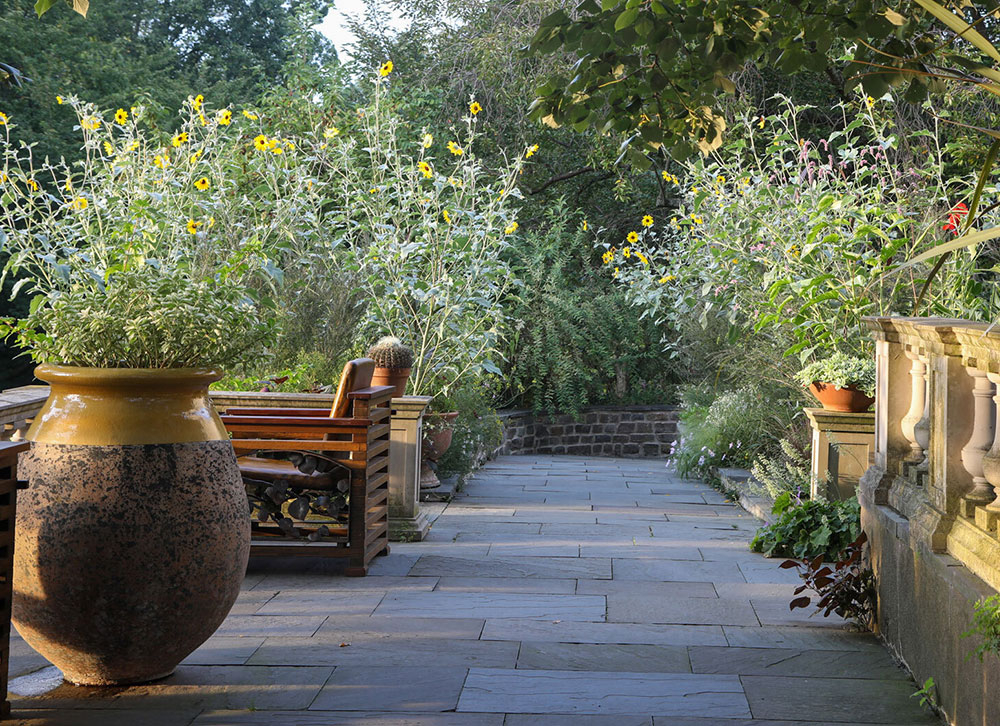
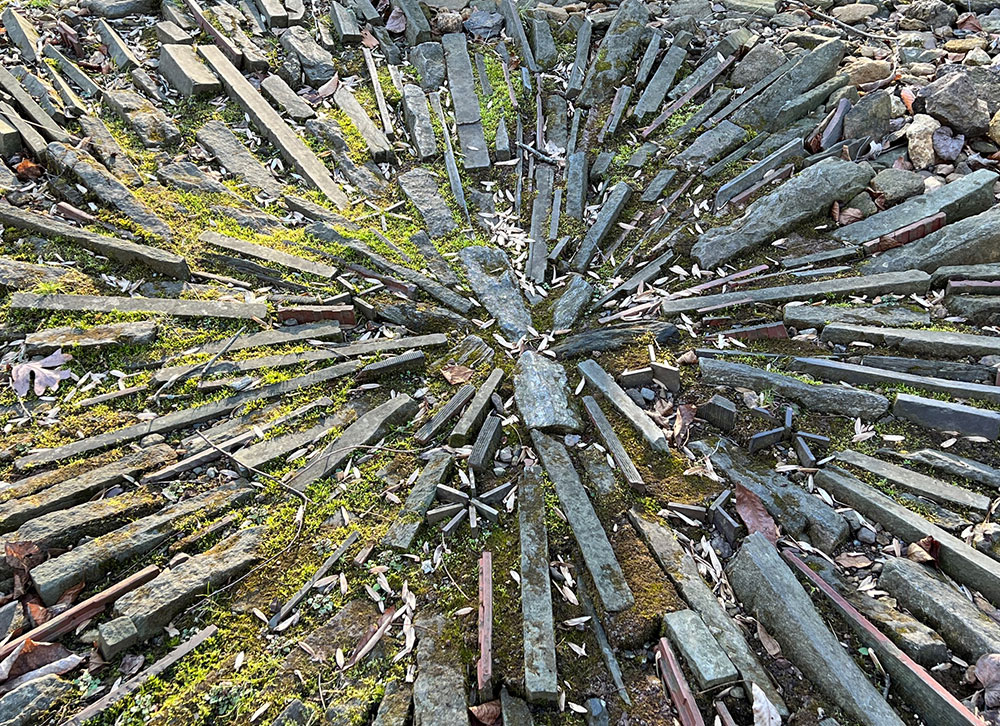
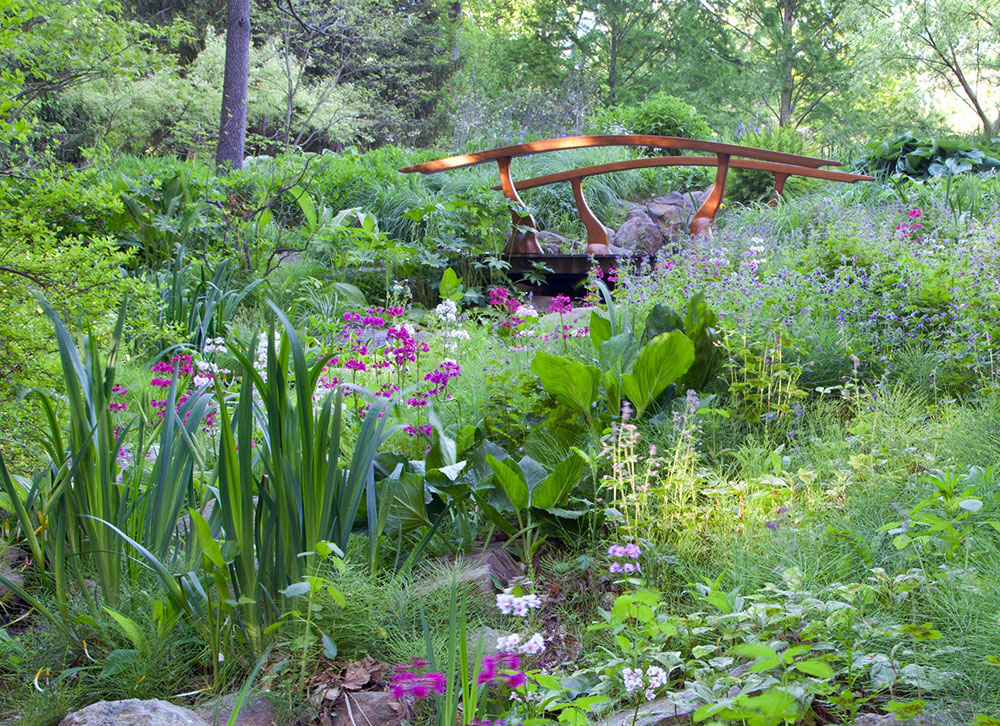
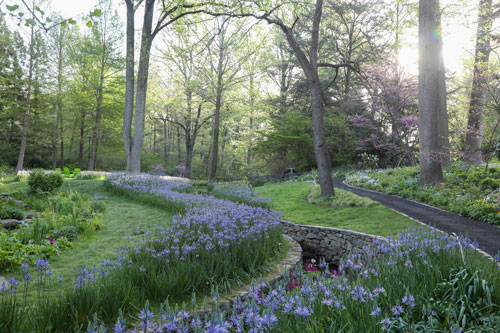
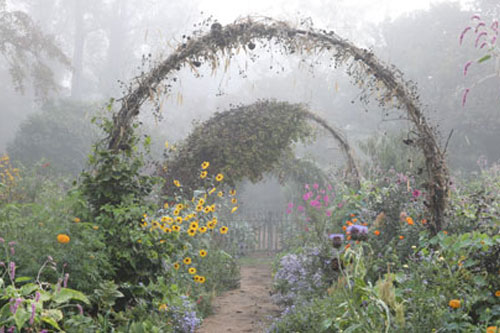
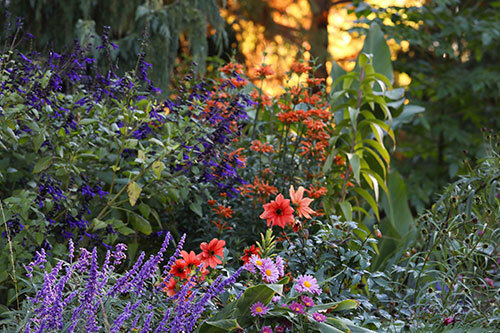
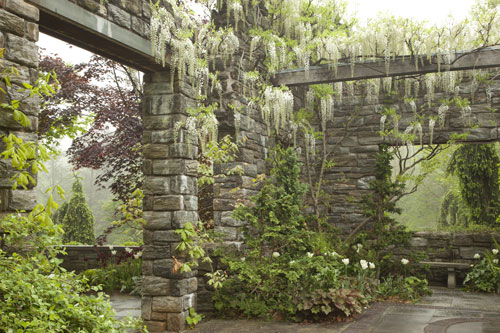
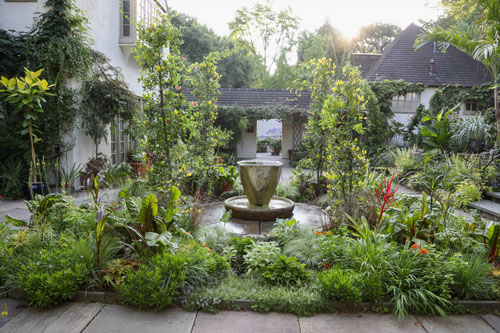
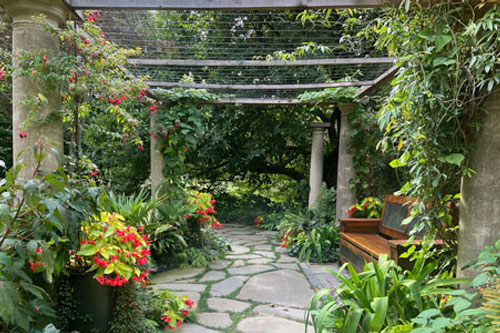
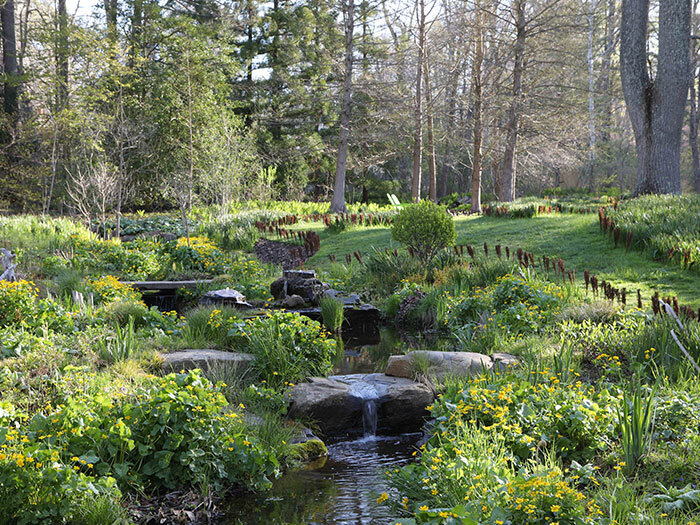
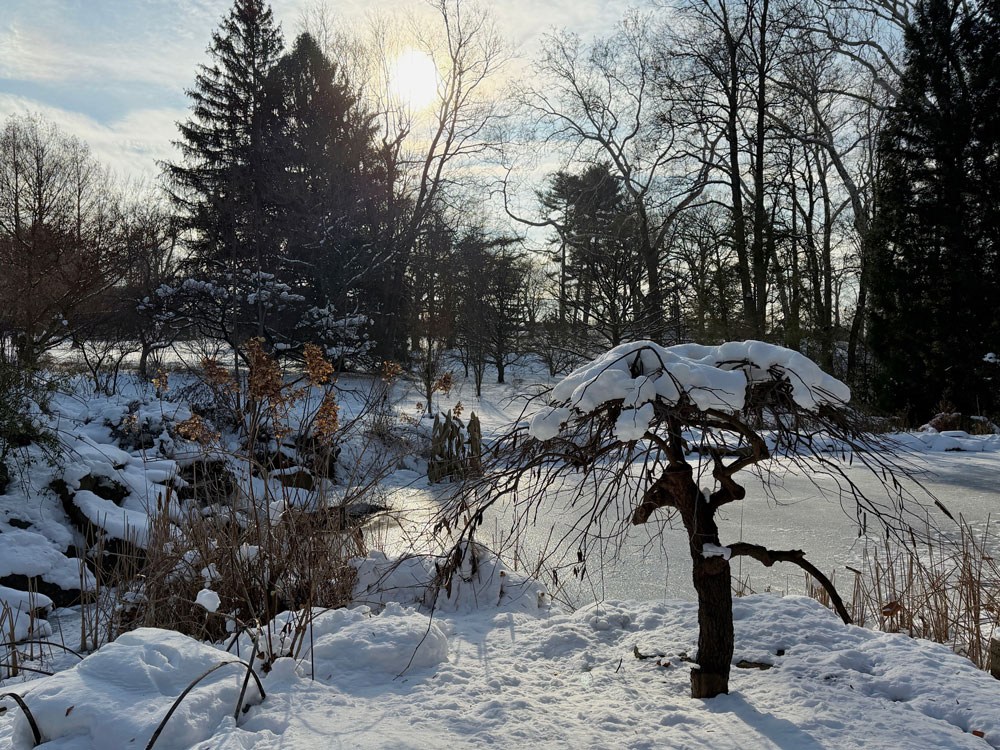
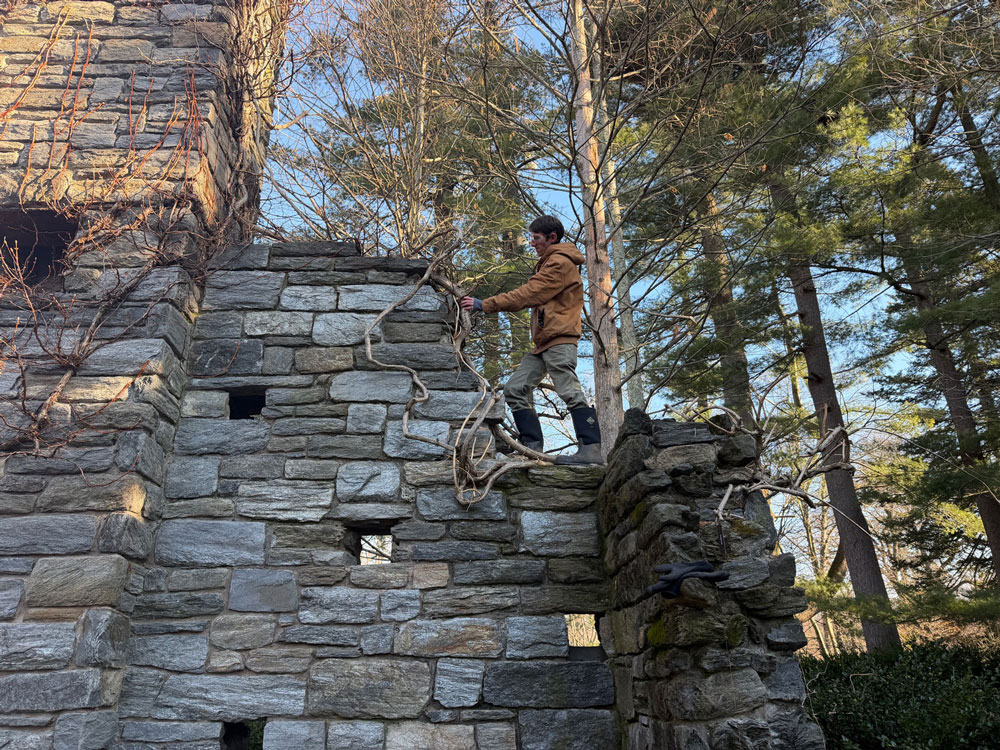
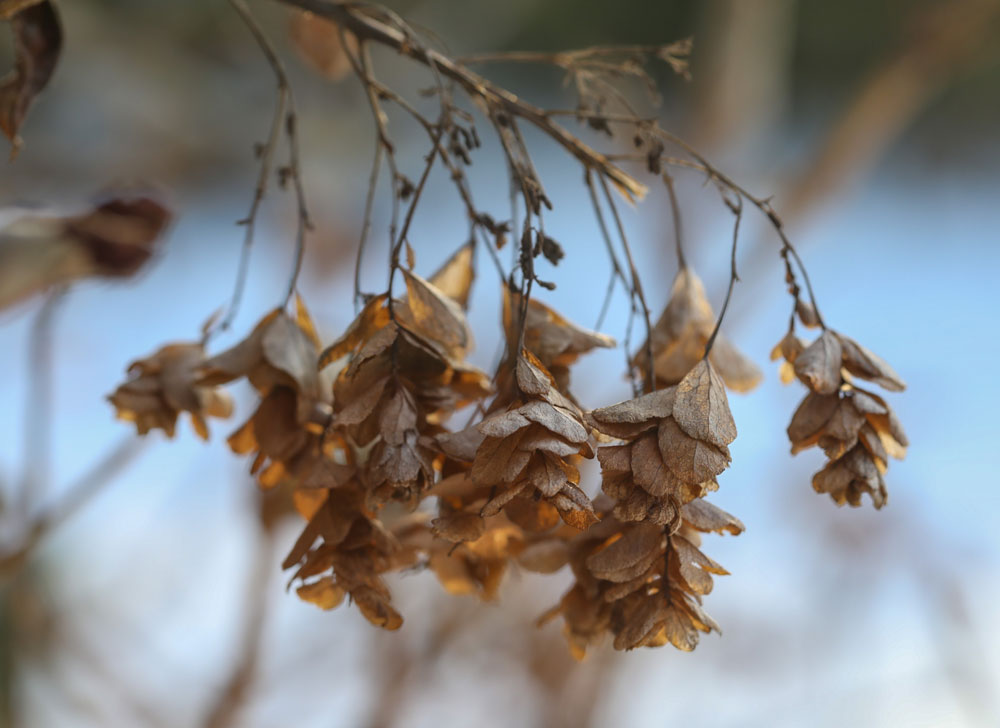
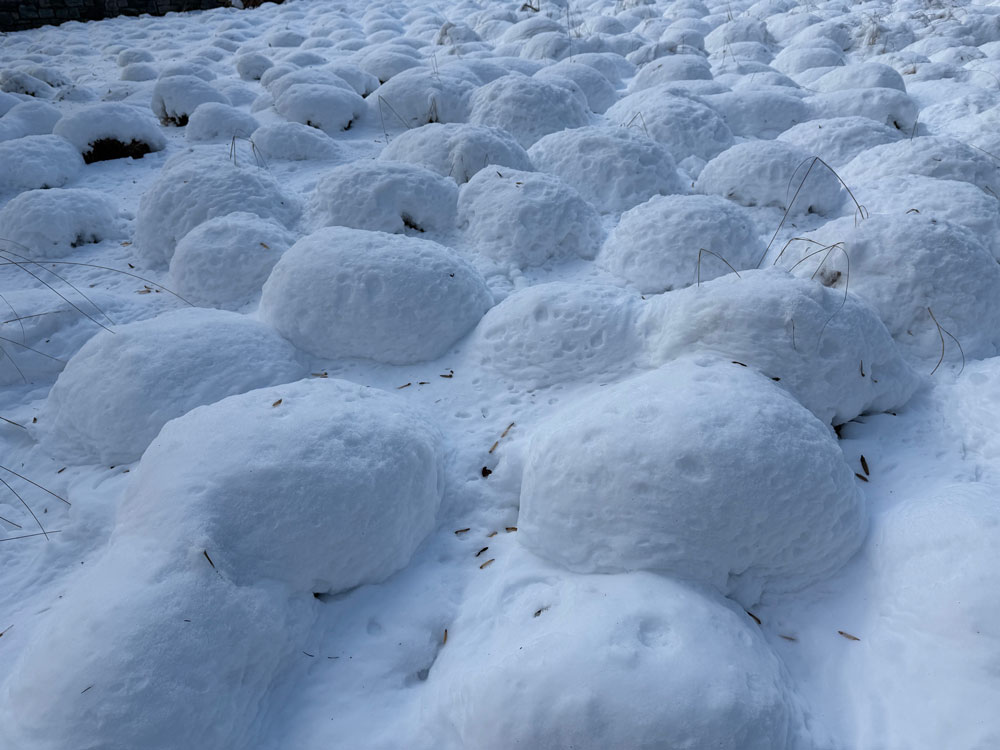
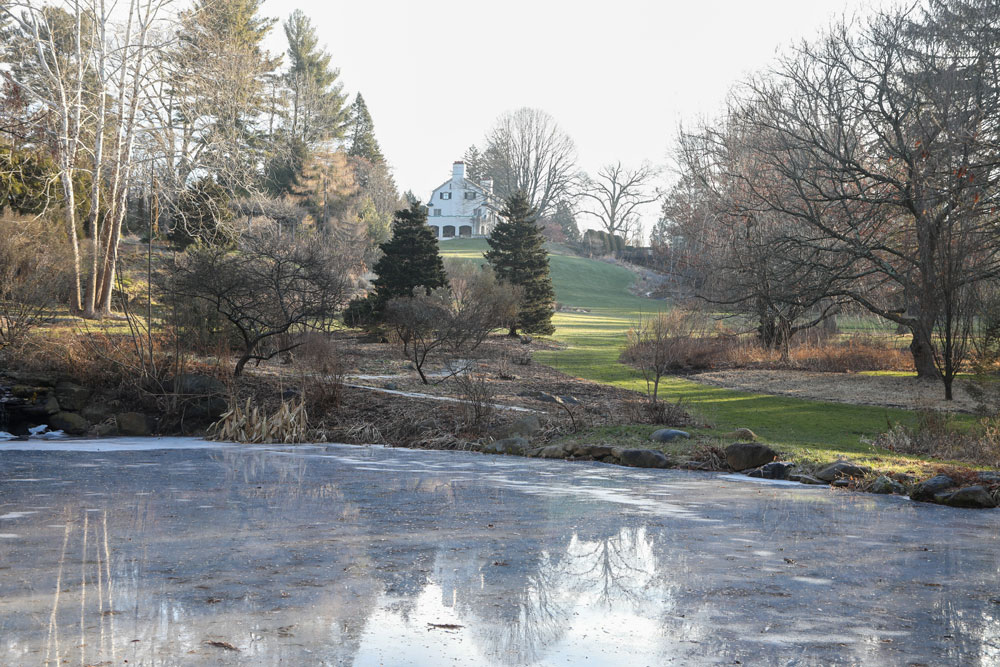
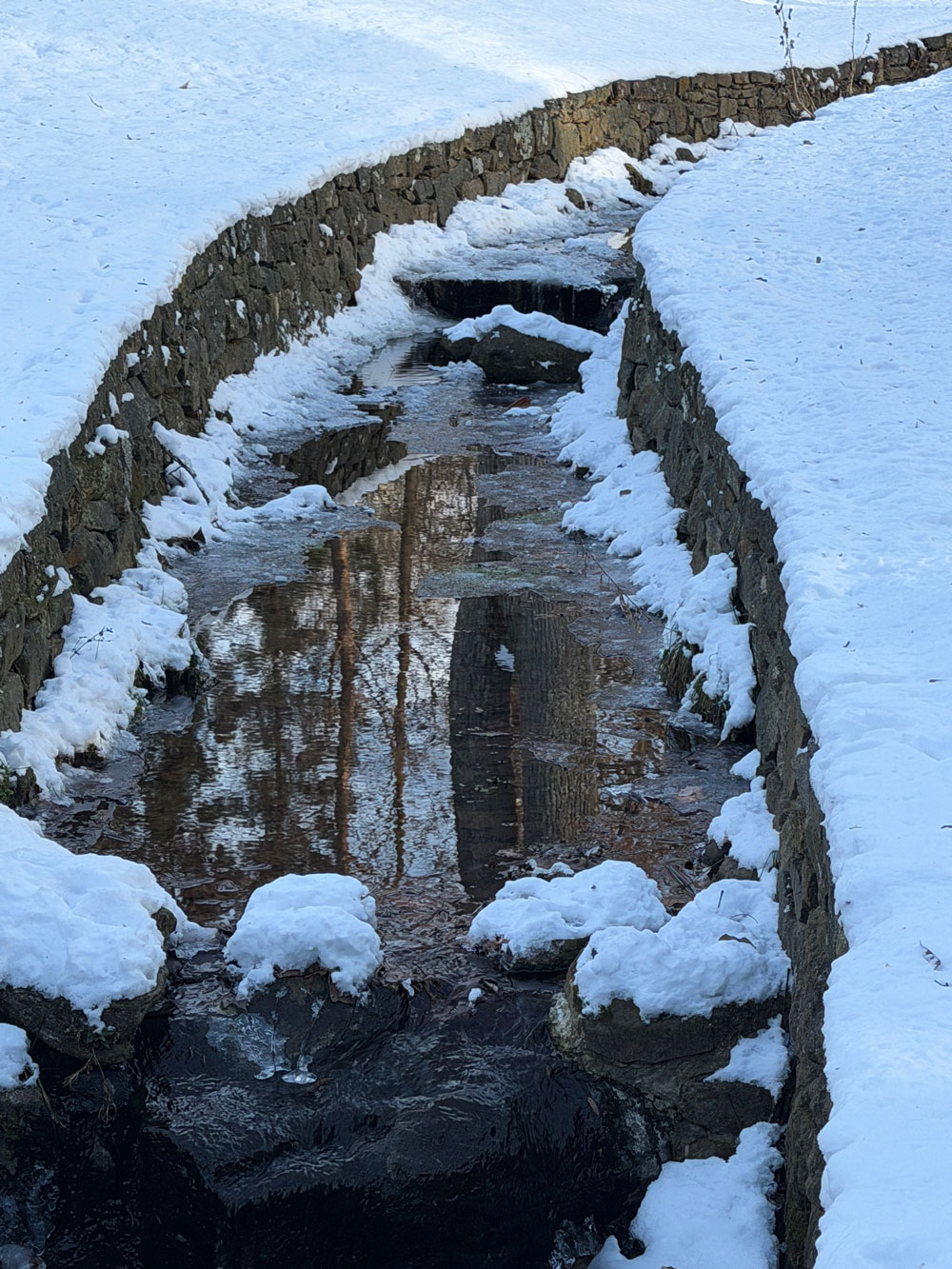
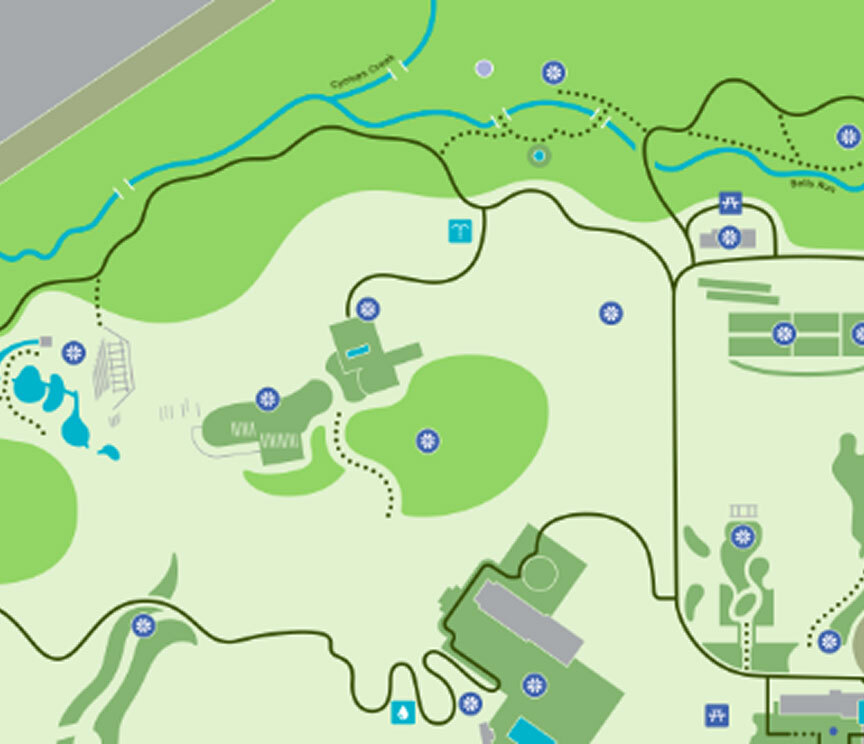
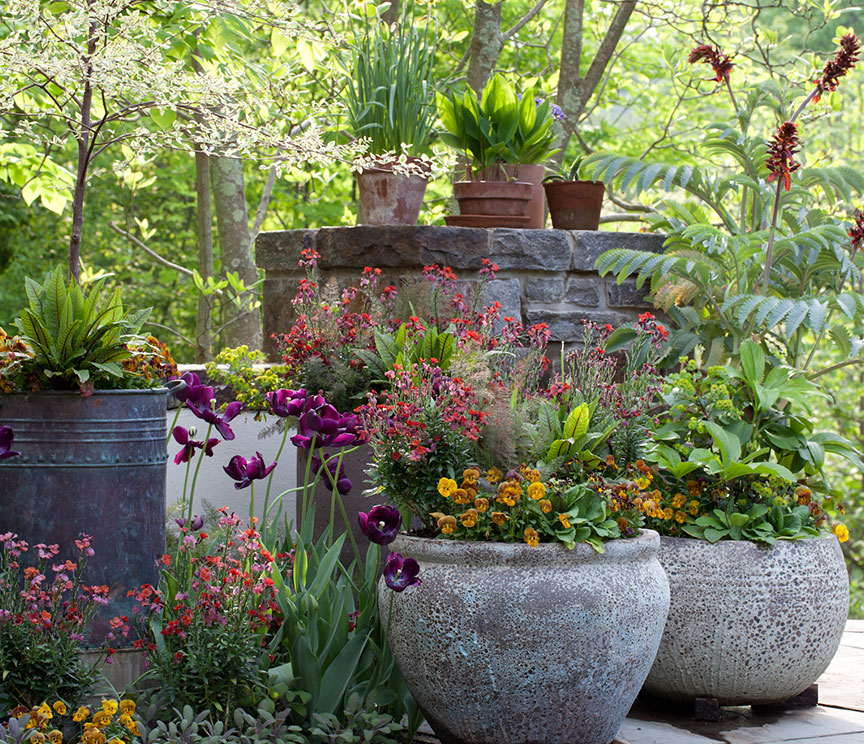
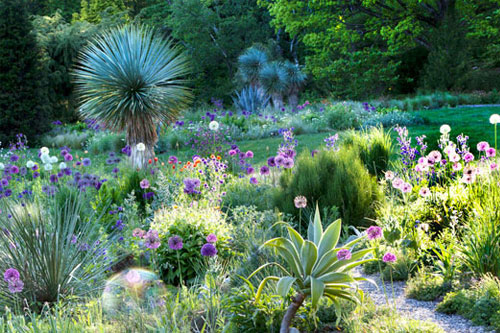
Chanticleer unfolds as a series of outdoor rooms, each with its own character, from the xeric Gravel Garden and lush Asian Woods to the abundant Vegetable Garden and the atmospheric Ruin Garden. Mature trees and sweeping lawns are reminders of the estate’s history, while contemporary plantings push boundaries and spark curiosity.
Chanticleer emphasizes exploration and immersion. Rather than labeling every plant, which could detract from the garden’s visual impact and intimate atmosphere, visitors are encouraged to engage with staff or reference plant lists available throughout the garden and online.
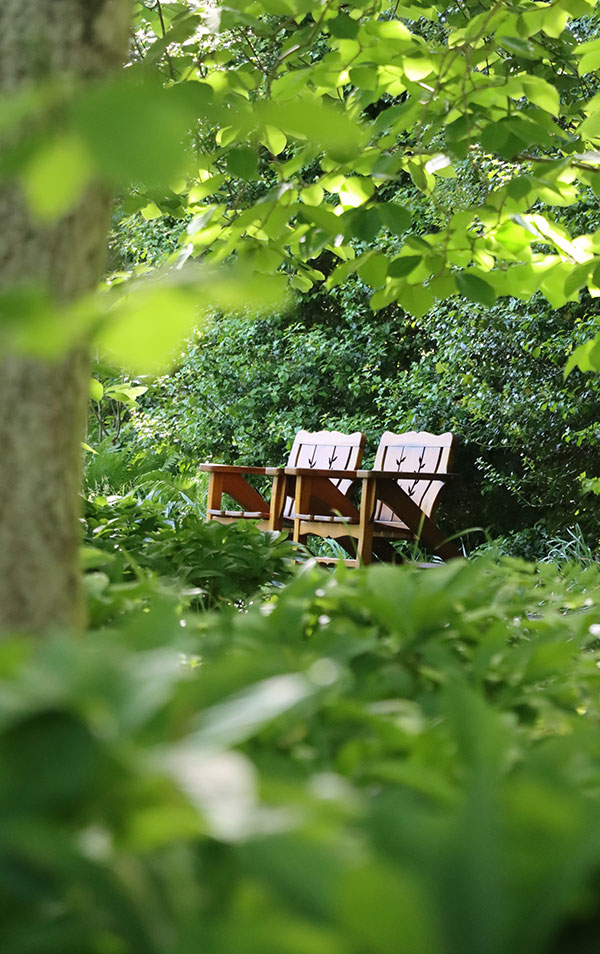
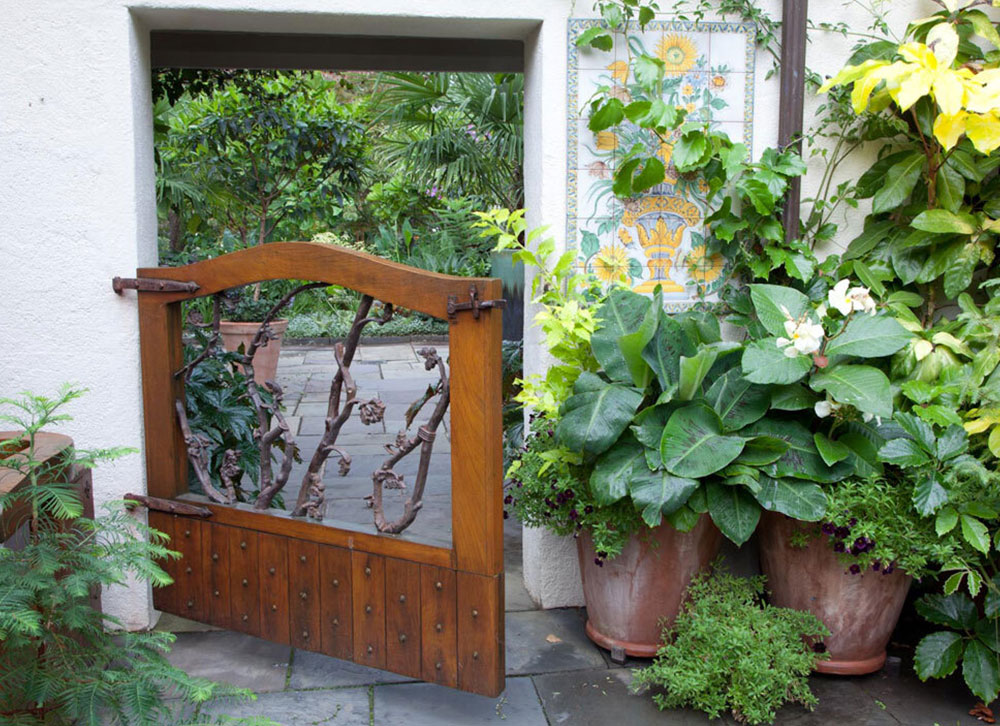
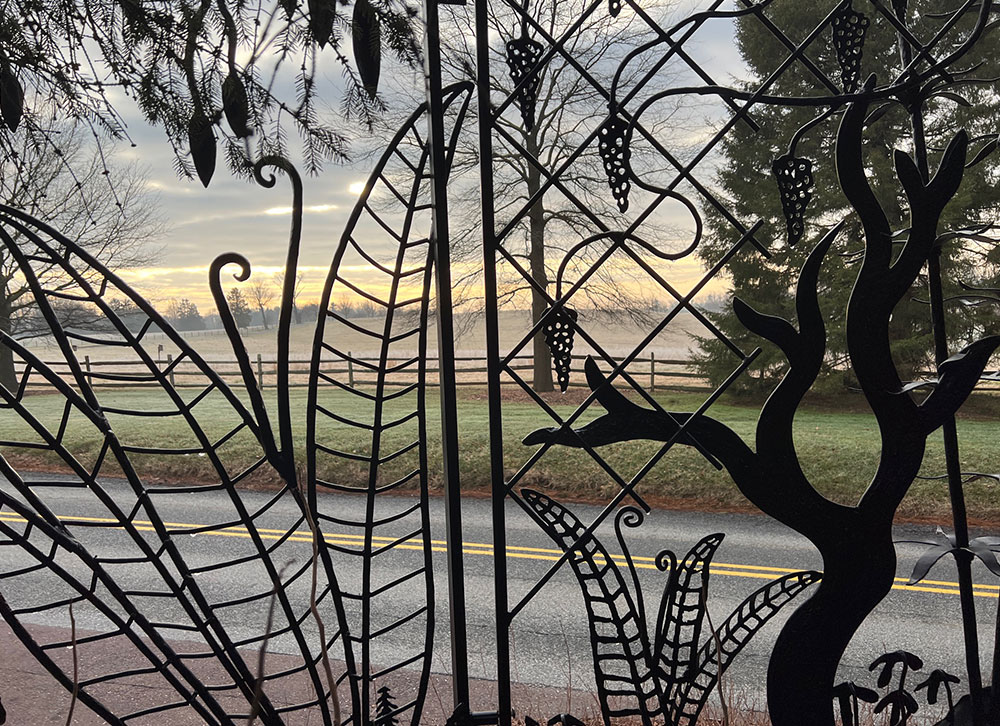
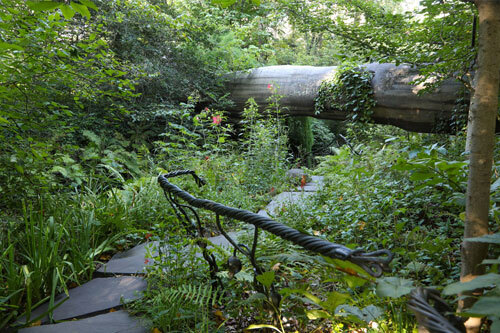
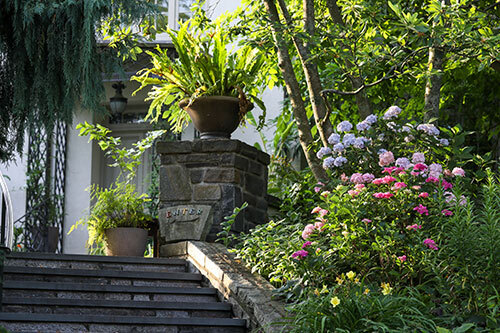
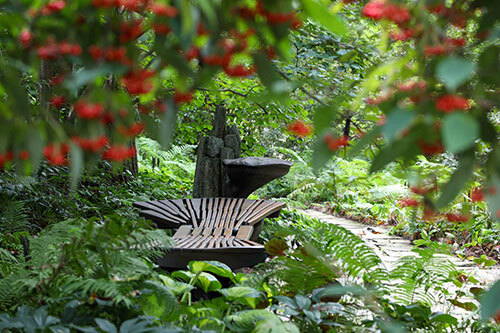
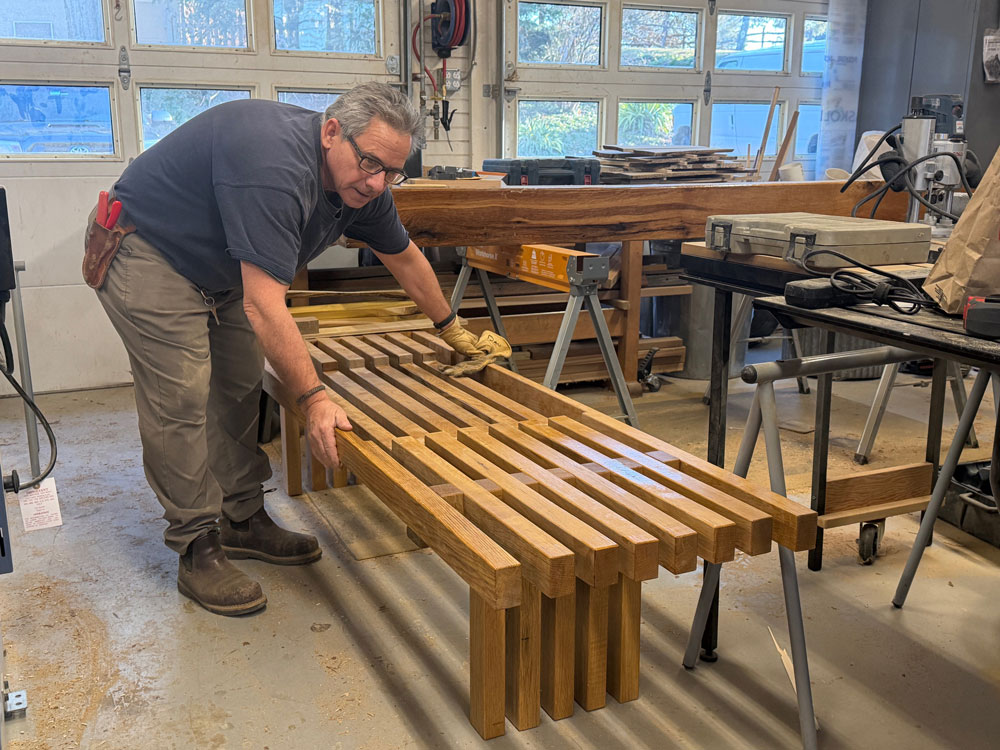
The historic Chanticleer House offers a glimpse into the Rosengarten family and the estate’s transformation into a public garden. Custom benches, gates, and architectural elements crafted by staff enhance the garden’s handcrafted character and reflect the same care present in the plantings.
Explore at your own pace, ask gardeners questions, take photographs, or sit and enjoy the atmosphere. Many visitors leave with new ideas, inspiration for their own gardens, and a renewed way of seeing plants and design.


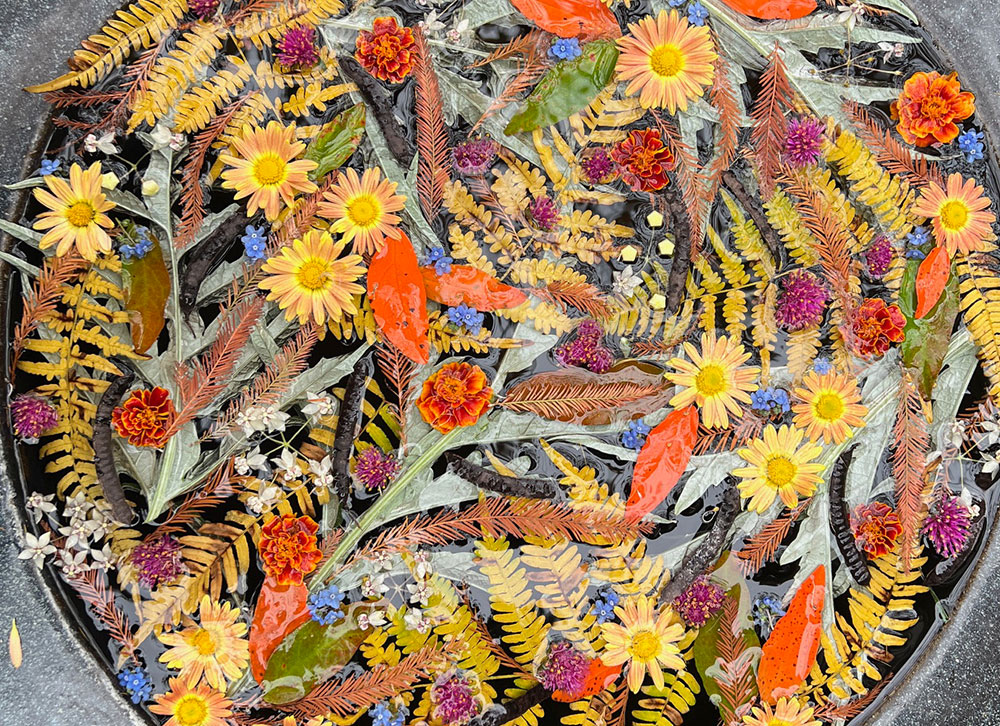
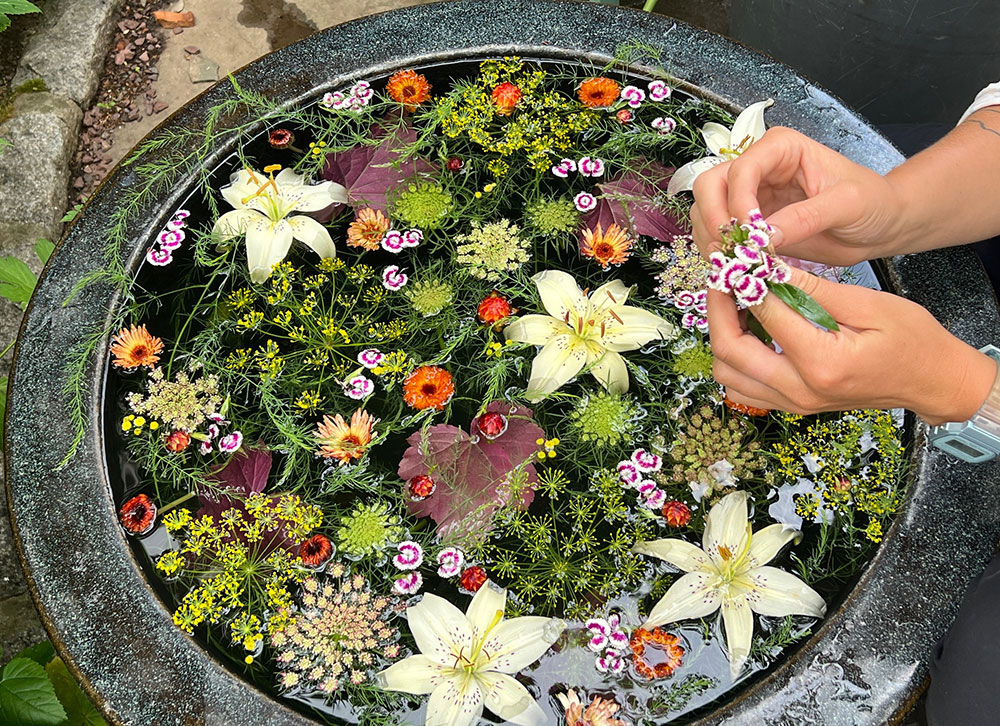
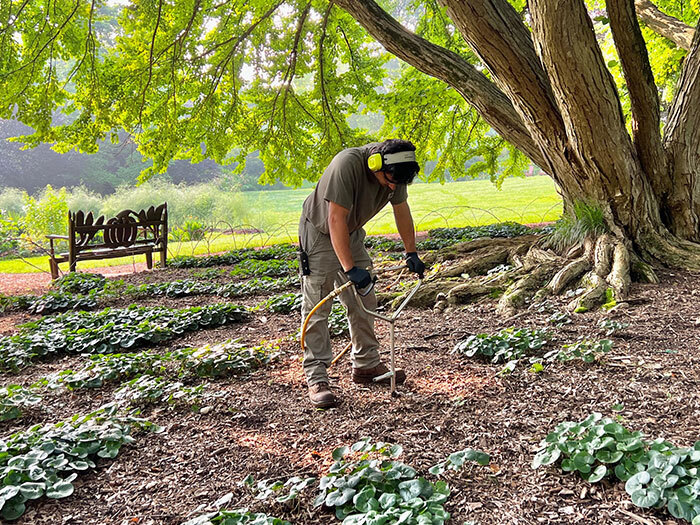
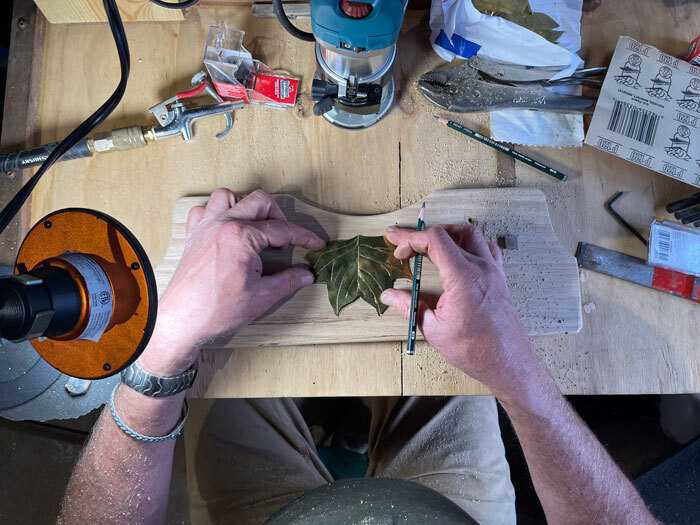
At Chanticleer, the garden is both canvas and workshop. Our gardeners are talented craftspeople, bringing skills in woodworking, metalworking, stone carving, painting, photography, and inventive material combinations to every corner of the garden.
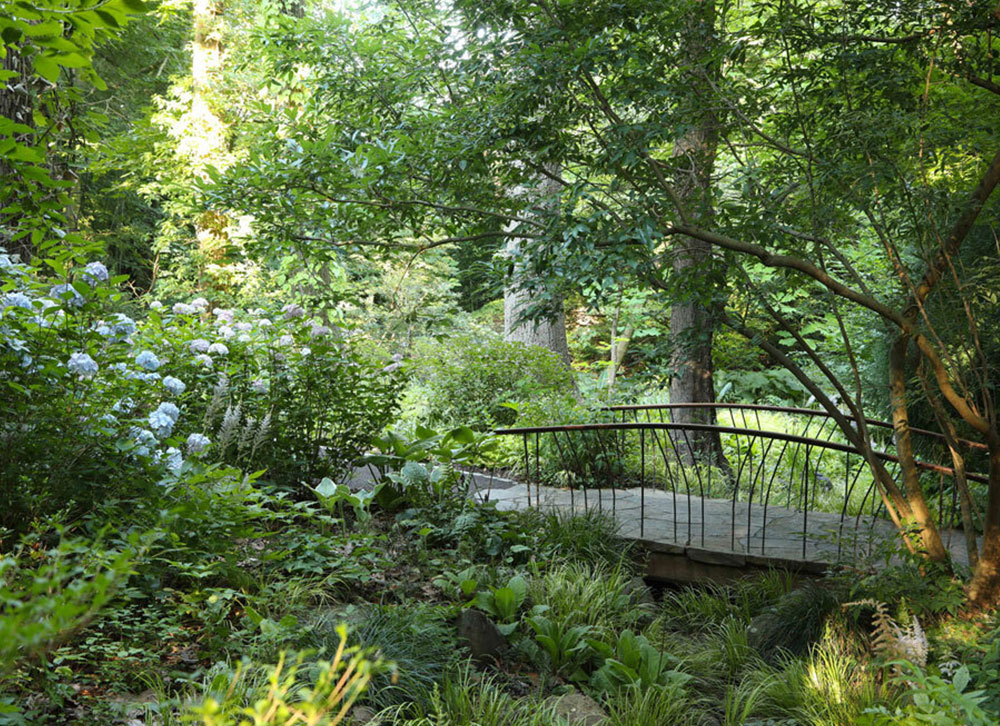
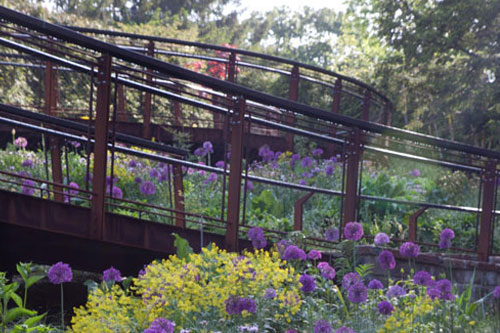
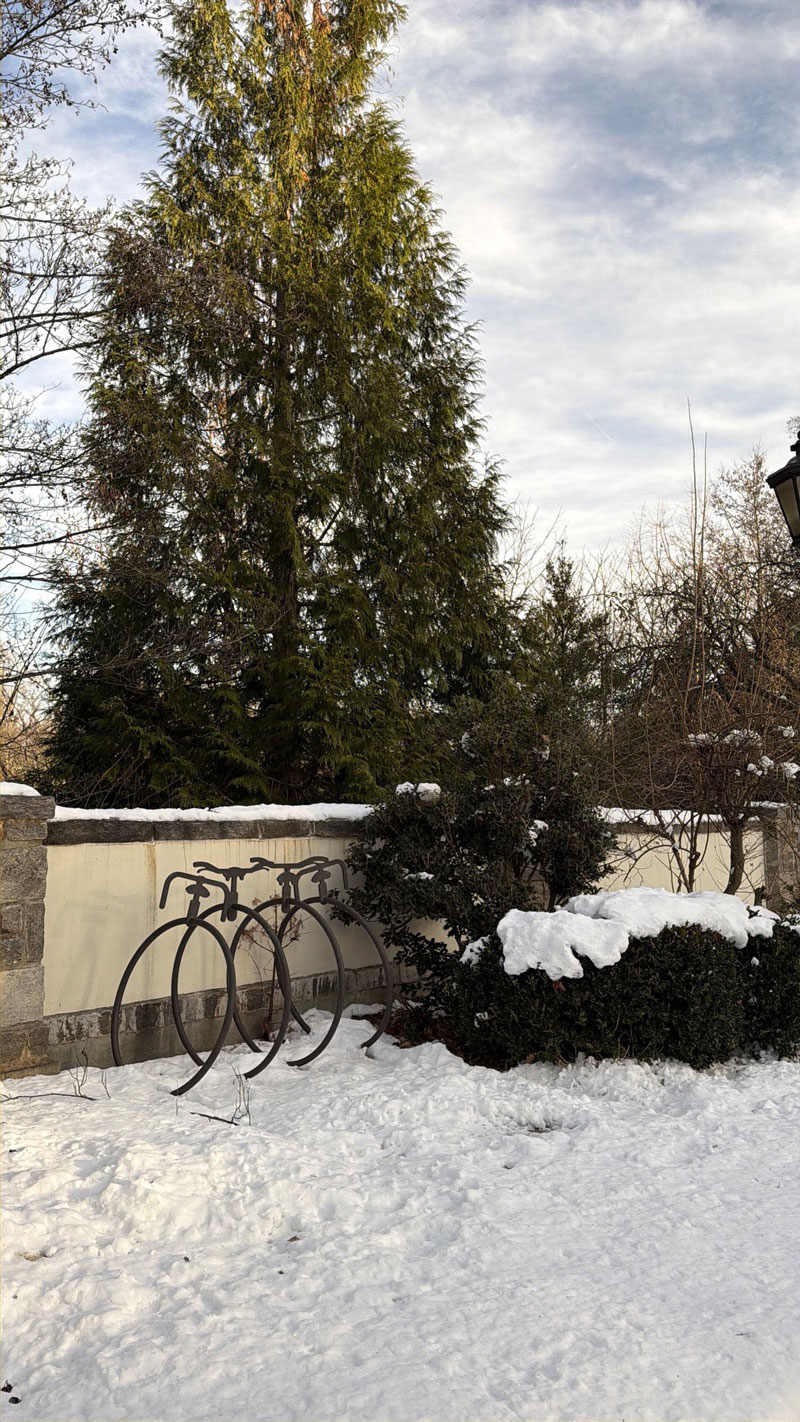
Benches, gates, bridges, plant list boxes, and other handcrafted details are more than functional; each reflects the maker’s vision and responds to the natural setting. From sculpture to seating, the staff artistry shapes the distinctive character of the garden and enriches the visitor experience.
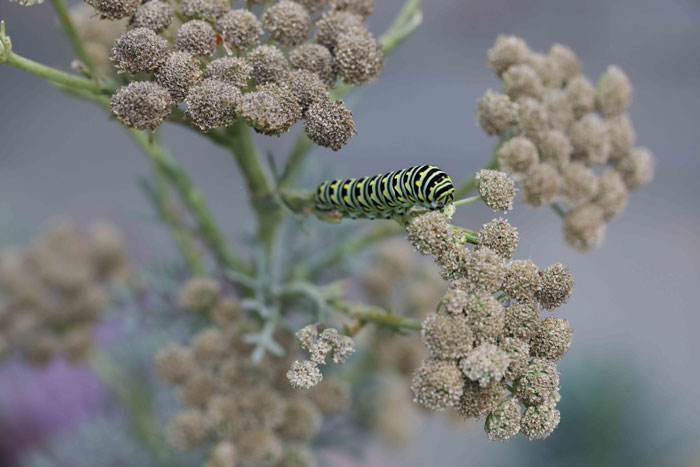
Our commitment to ecological stewardship supports a remarkable diversity of wildlife. Surveys reveal that over 1,000 species of insects, birds, reptiles, amphibians, and fish inhabit the garden.
Since 2020, Sarver Ecological has conducted surveys focused on native bees, ground beetles, and moths, critical pollinators and elements of local food webs. More than 15,000 specimens have been curated.
The Chanticleer Biodiversity iNaturalist project hosts over 3,000 photographic records and allows contributions from staff, local experts, and visitors. Over 200 observers have added more than 1,700 additional observations of non-plant species.
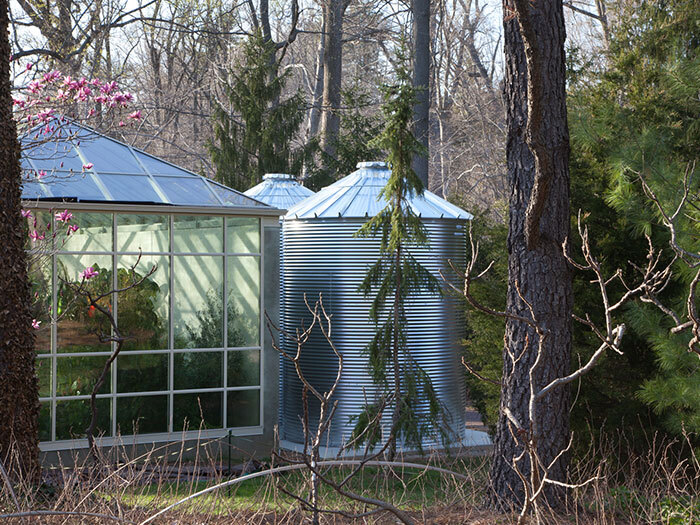
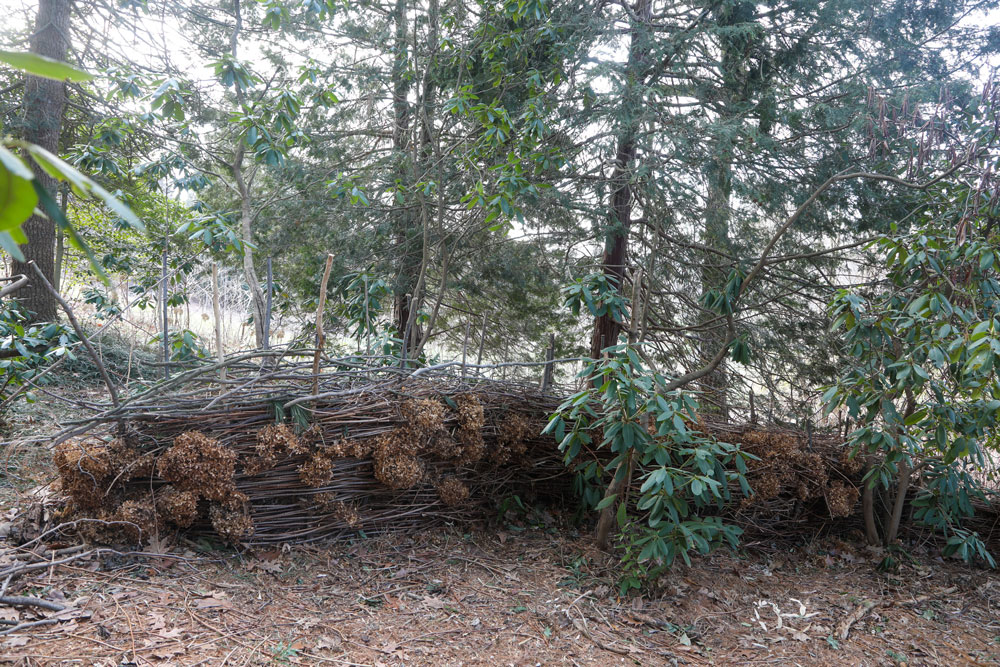
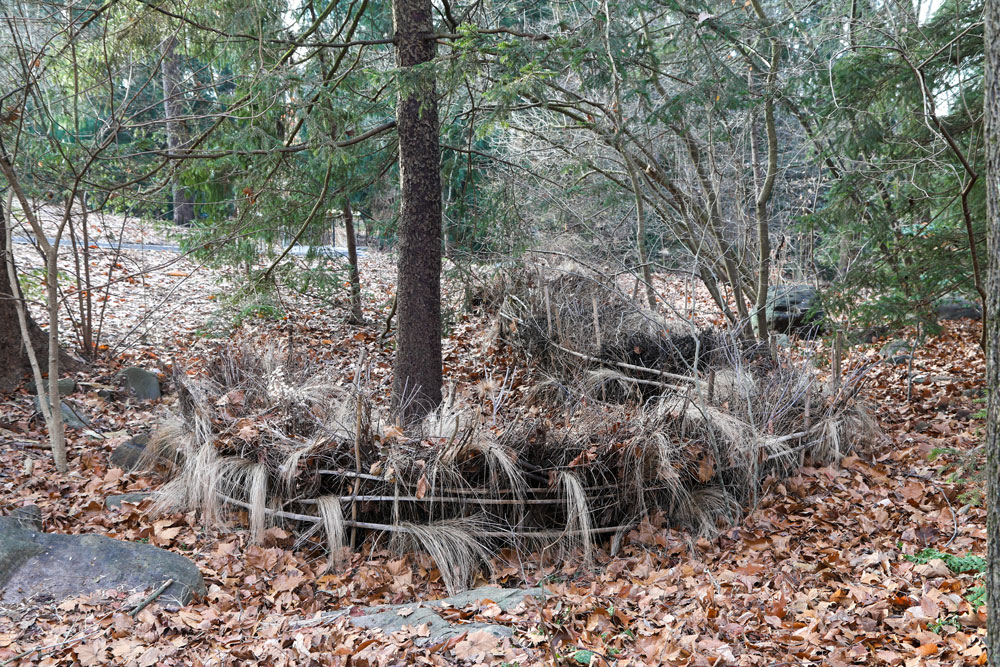
Chanticleer continues to improve habitat quality and management practices that support ecological processes, sharing lessons learned with gardeners, local communities, and visitors.