Open Today 10:00AM to 5:00PM
The Garden

Discover Chanticleer

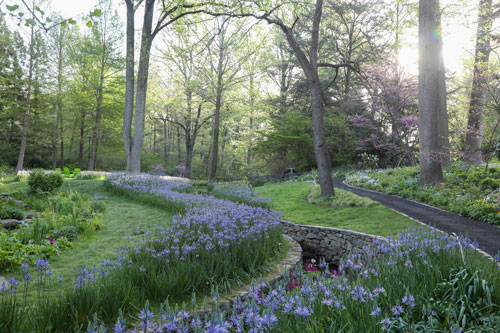
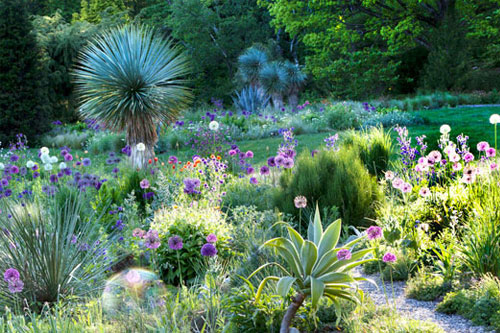
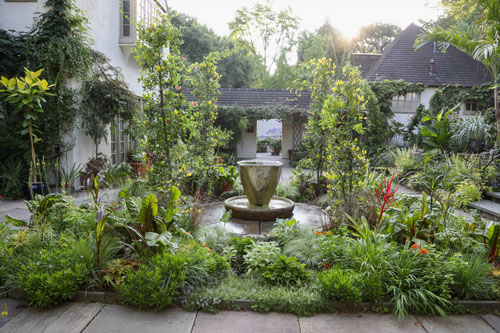
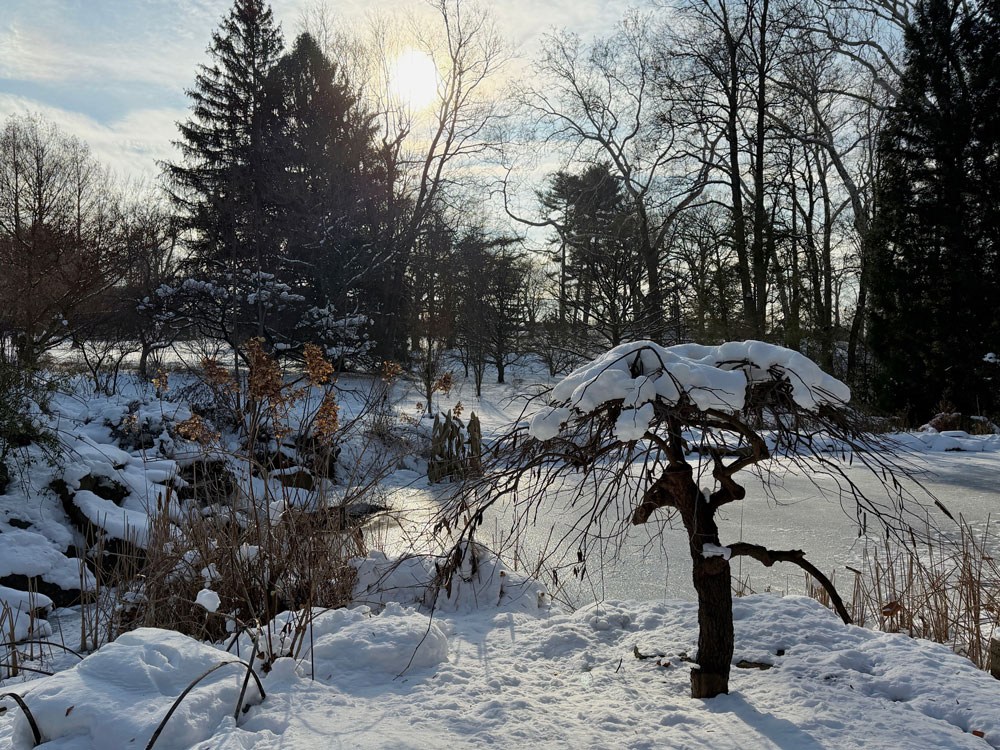
Chanticleer offers an immersive garden experience where visitors can wander meadows and shaded paths, encounter unexpected moments of beauty, and leave feeling refreshed and inspired. Whether you’re an avid gardener, a garden professional, or simply someone who loves beautiful places, the garden is welcoming, accessible, and engaging.

"To create a garden is to search for a better world."

Founders Janet and Adolph Rosengarten, Jr.

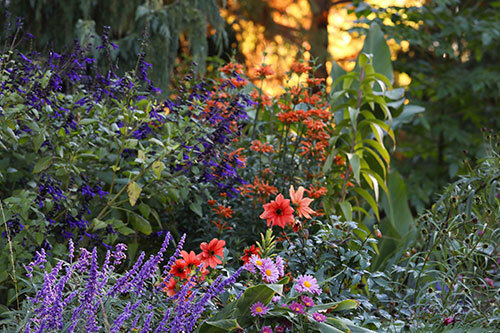
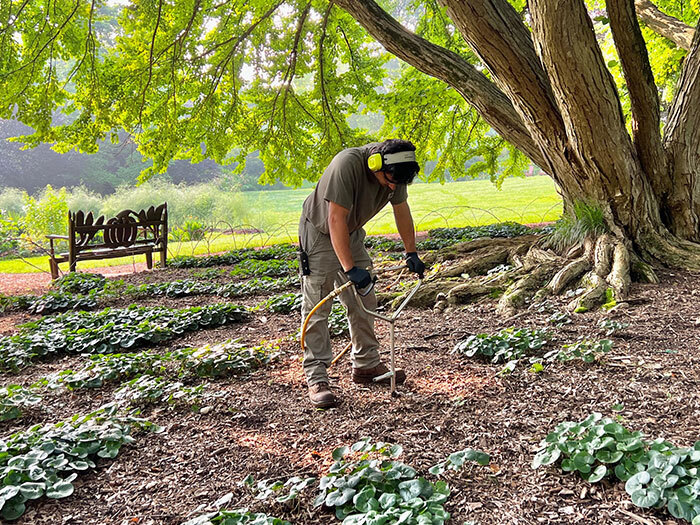
What makes Chanticleer special is the exceptional horticulture underlying that experience. Each area is designed and cared for by a dedicated horticulturist who continually refines their vision, creating intentional plant combinations and thoughtful design that ensure no two seasons are alike. Foliage, texture, and seasonal transitions are as important as flowers, teaching quietly through experience rather than signage.

Explore at your own pace, ask gardeners questions, take photographs, or sit and enjoy the atmosphere. Many visitors leave with new ideas, inspiration for their own gardens, and a renewed way of seeing plants and design.

Seuss plants
yellow magnolias

What to Expect

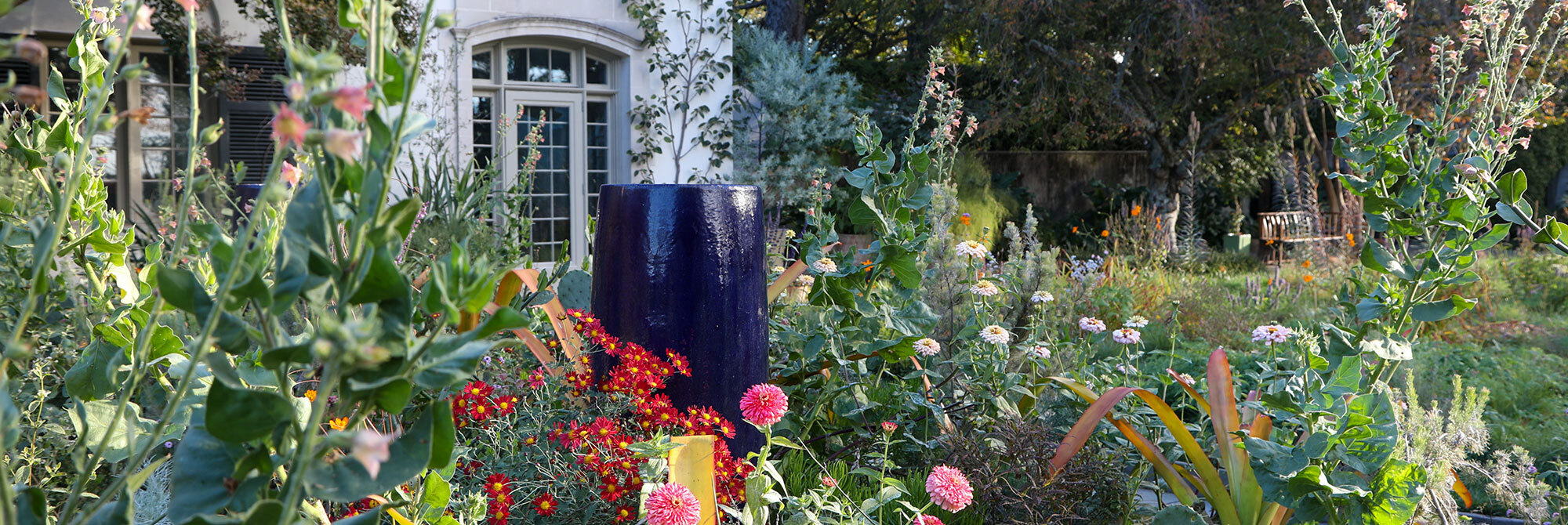
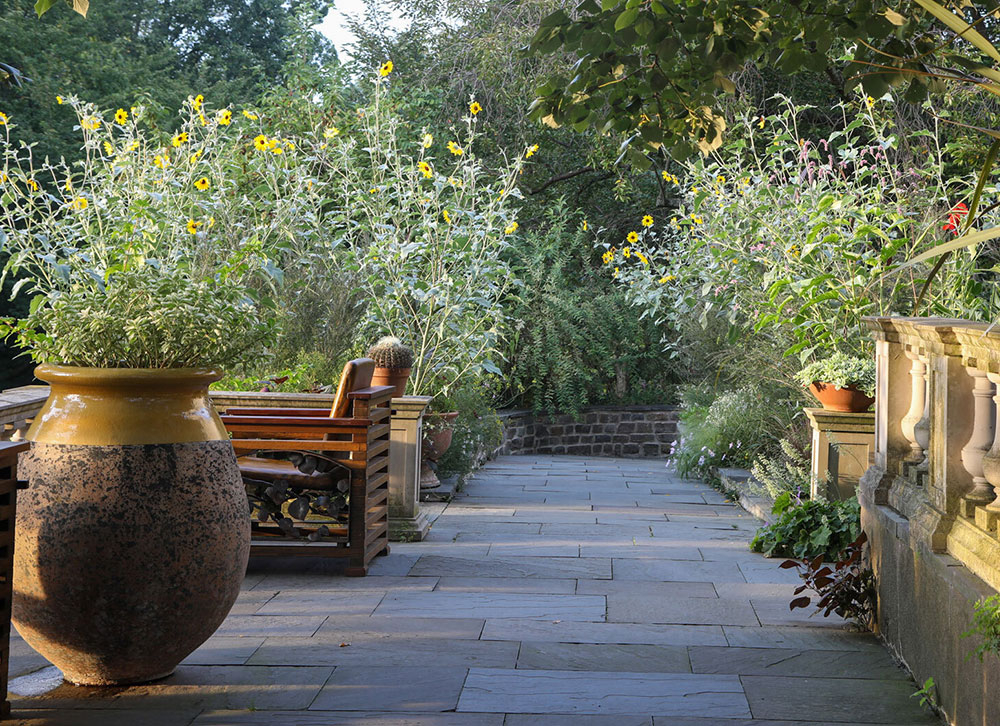
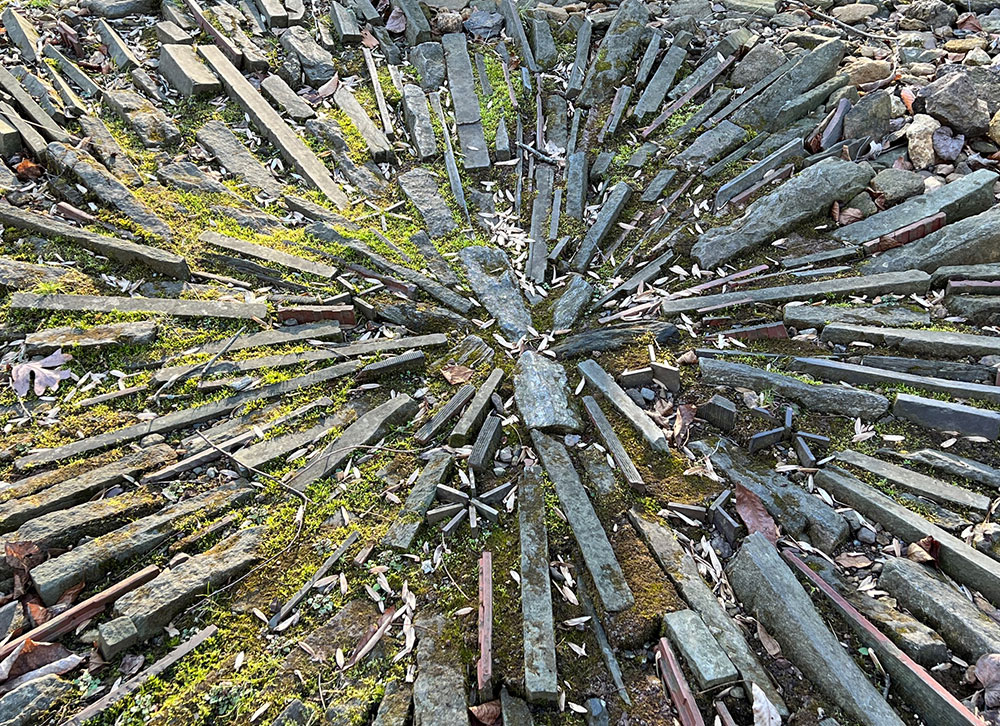
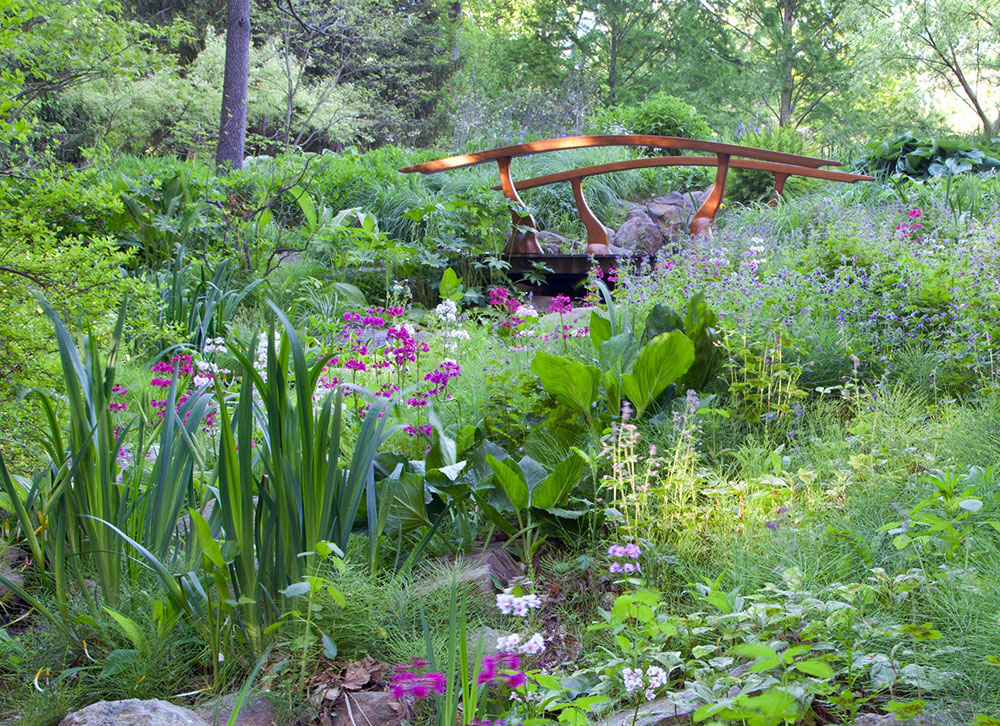
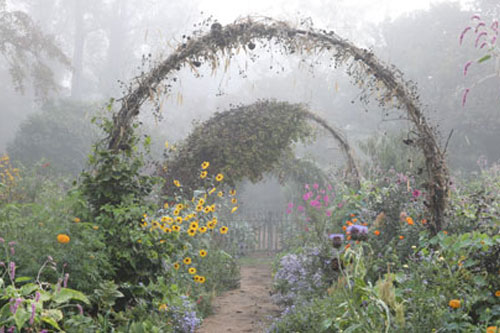
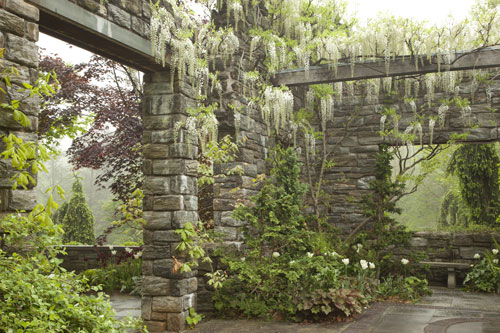
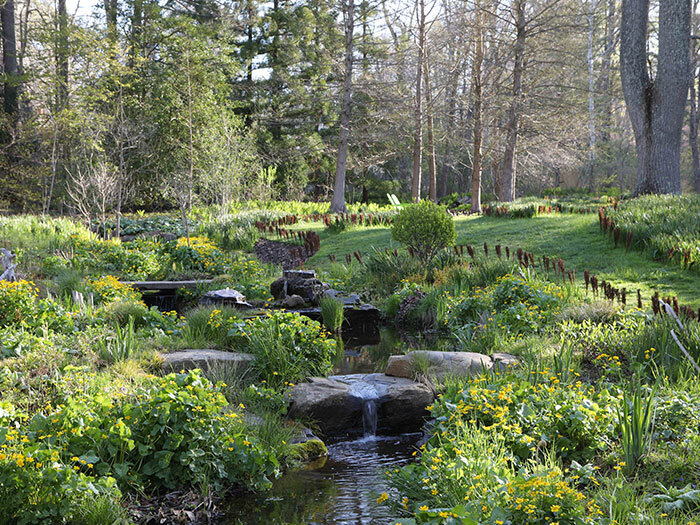
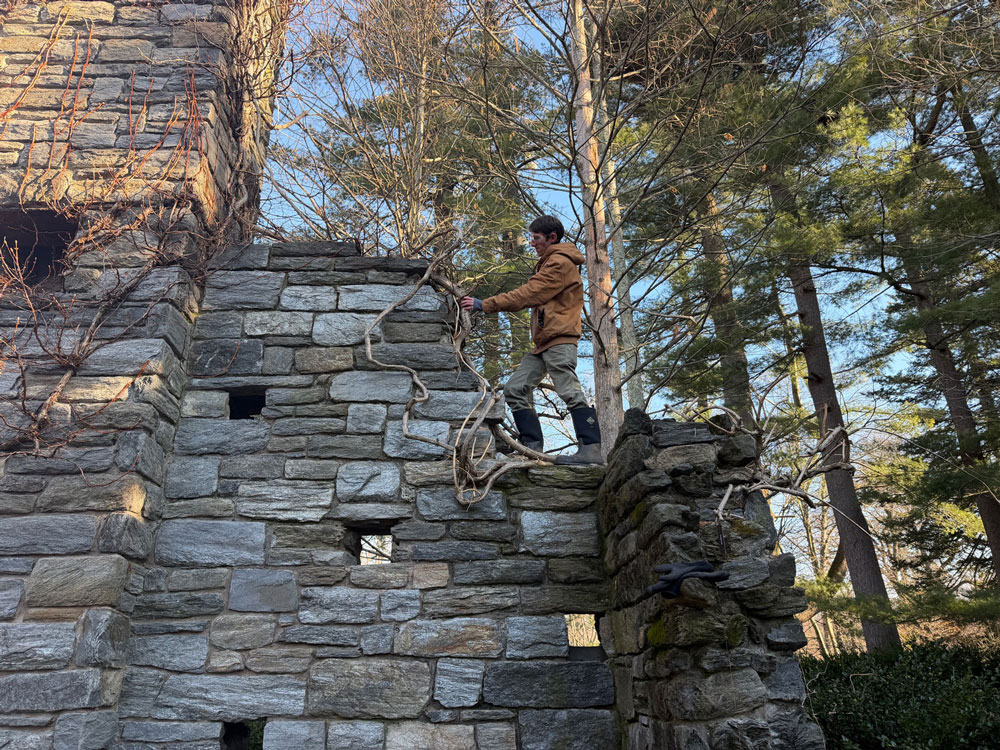
Chanticleer unfolds as a series of outdoor rooms, each with its own character, from the xeric Gravel Garden and lush Asian Woods to the abundant Vegetable Garden and the atmospheric Ruin Garden. Mature trees and sweeping lawns are reminders of the estate’s history, while contemporary plantings push boundaries and spark curiosity.

Chanticleer emphasizes exploration and immersion. Rather than labeling every plant, which could detract from the garden’s visual impact and intimate atmosphere, visitors are encouraged to engage with staff, or reference plant lists available throughout the garden and online.

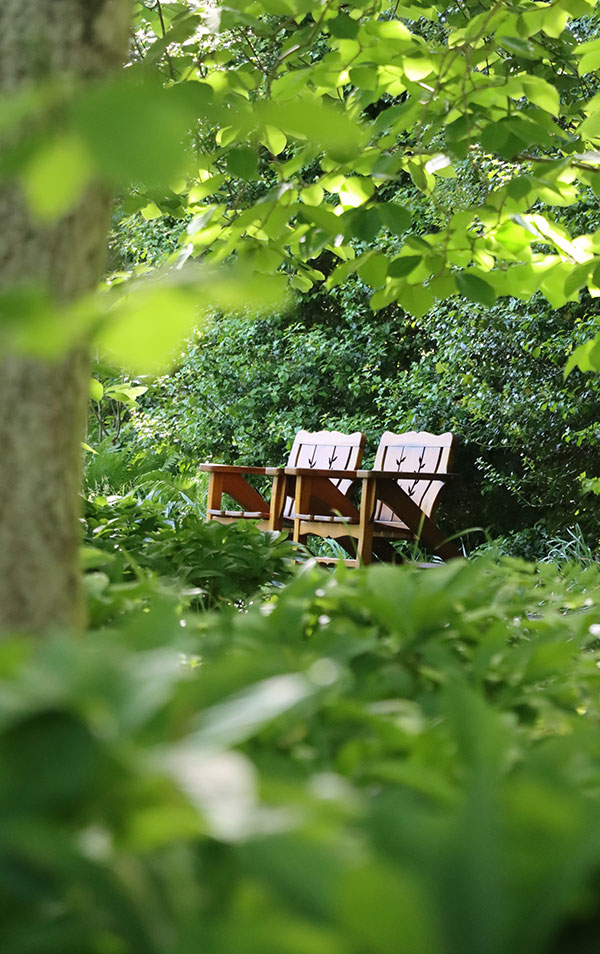
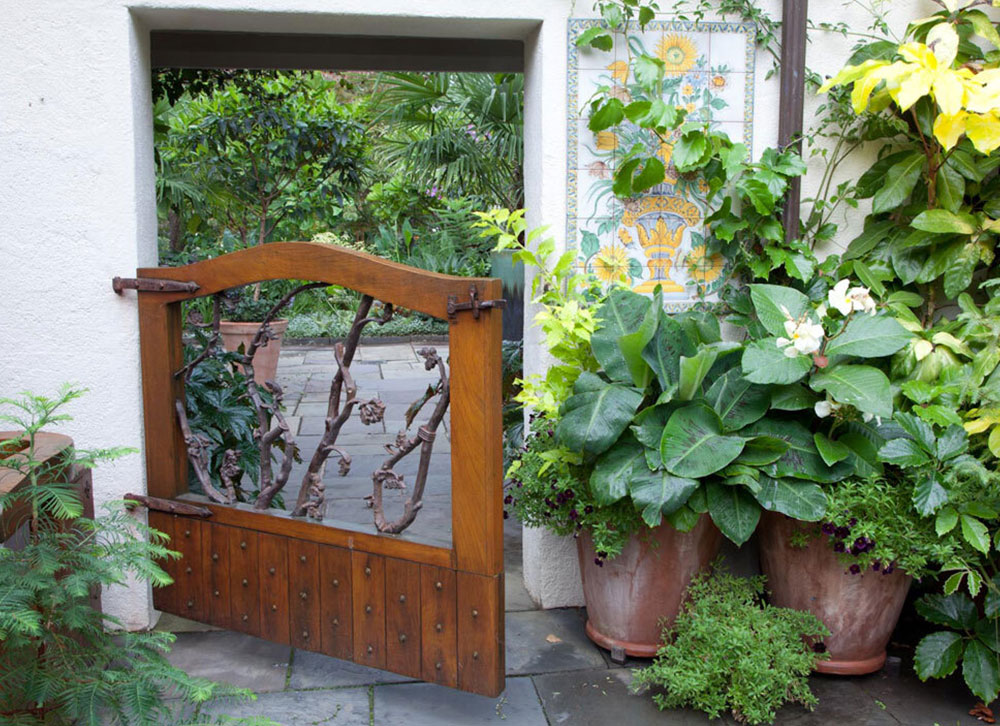
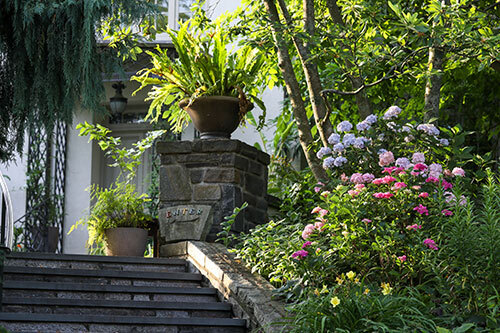
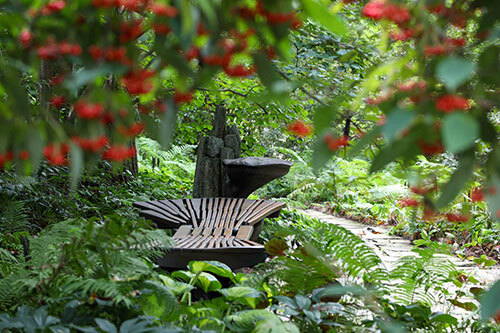
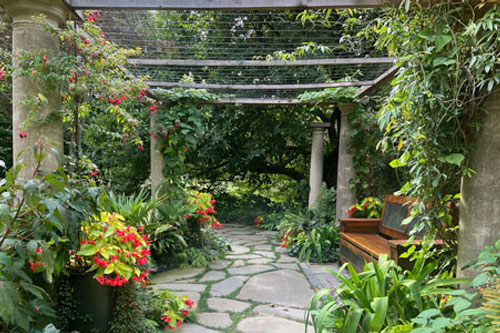
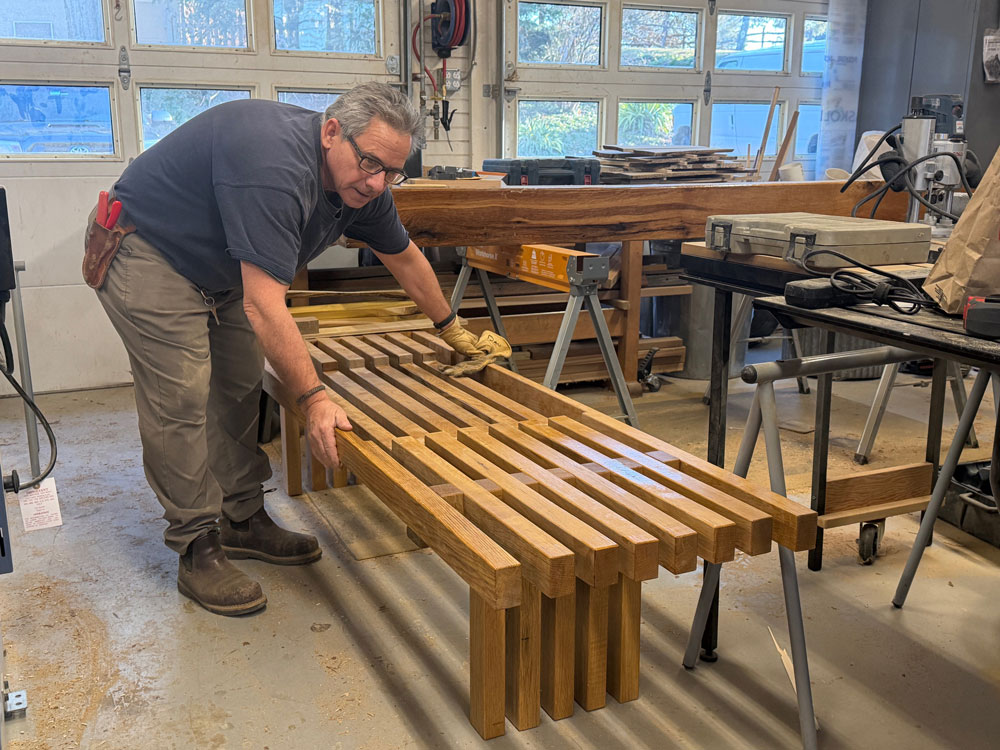
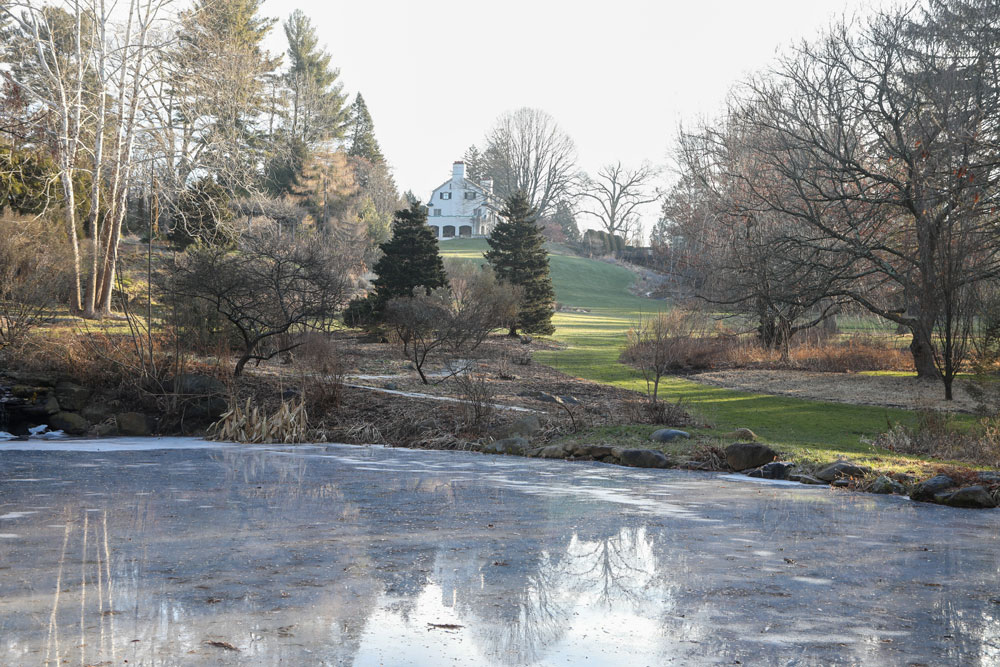
The historic Chanticleer House offers a glimpse into the Rosengarten family and the estate’s transformation into a public garden. Custom benches, gates, and architectural elements crafted by staff enhance the garden’s handcrafted character and reflect the same care present in the plantings.

What's in Bloom

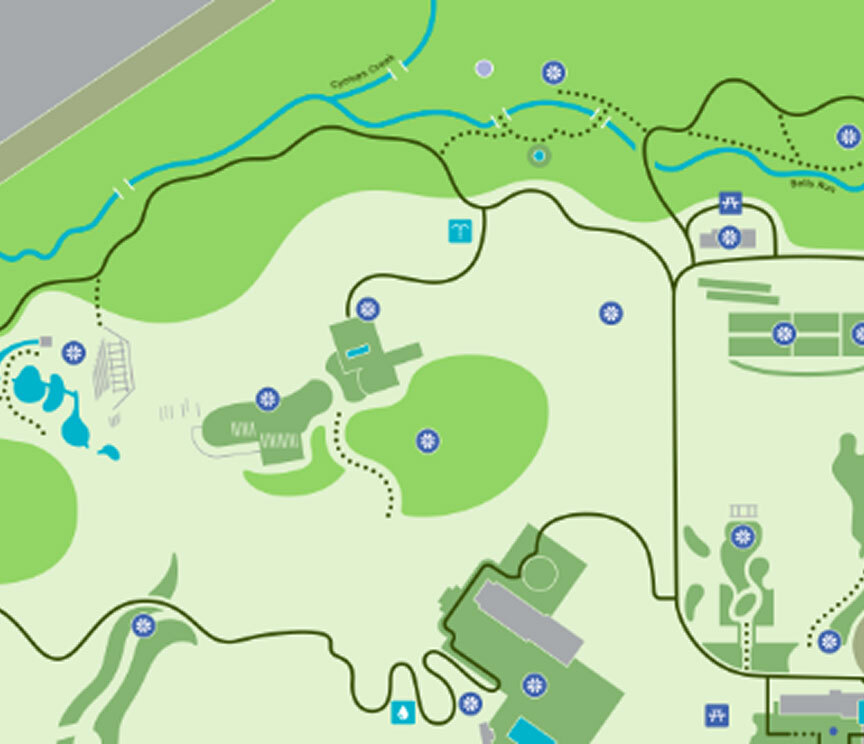
Interactive Map

Interactive Map

Plan your route using our interactive garden map, or simply wander and let the garden reveal itself at your own pace.
Prefer a guided experience

Prefer a guided experience?

Join one of our tours to deepen your understanding of the garden’s design and horticultural practices.

Staff Artistry

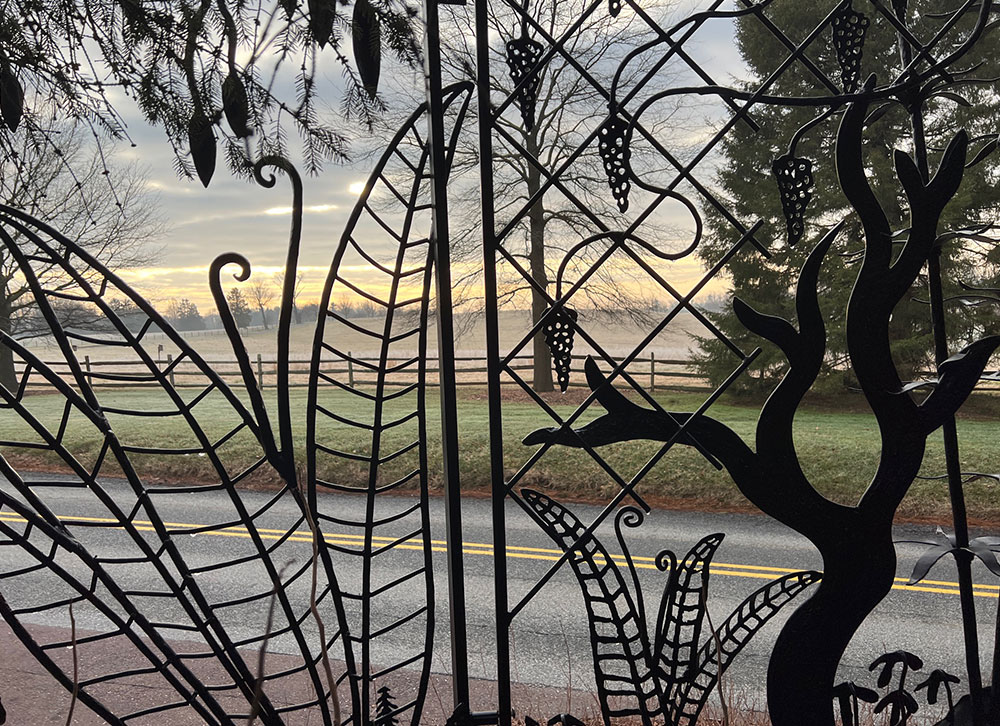
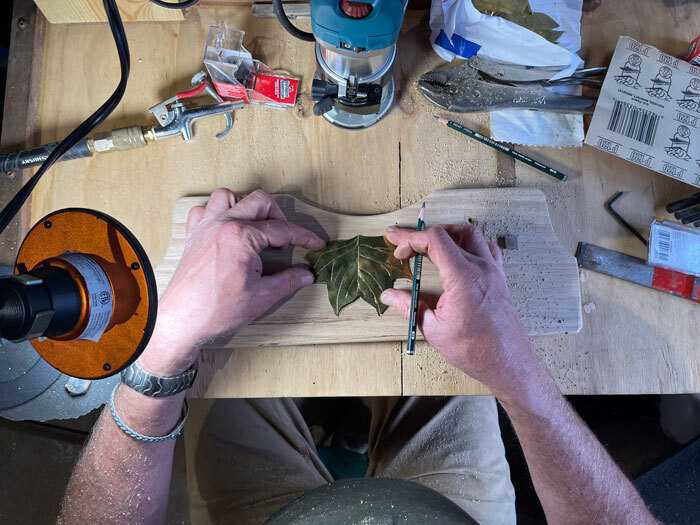
At Chanticleer, the garden is both canvas and workshop. Our gardeners are talented craftspeople, bringing skills in woodworking, metalworking, stone carving, painting, photography, and inventive material combinations to every corner of the garden.

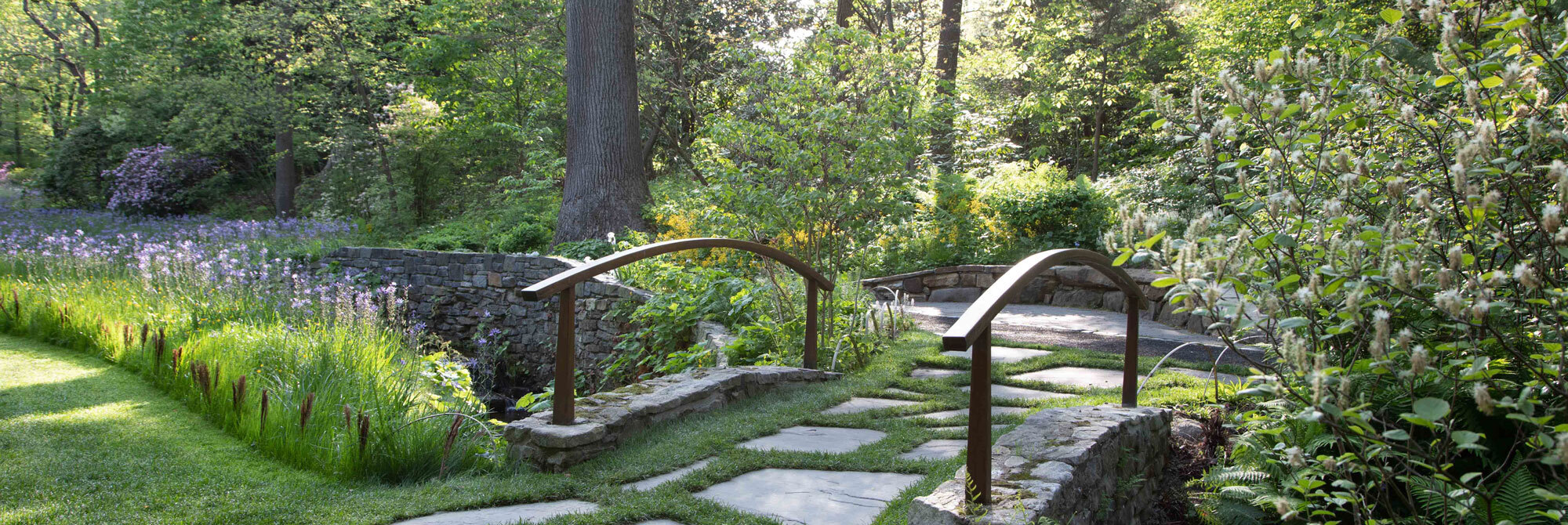
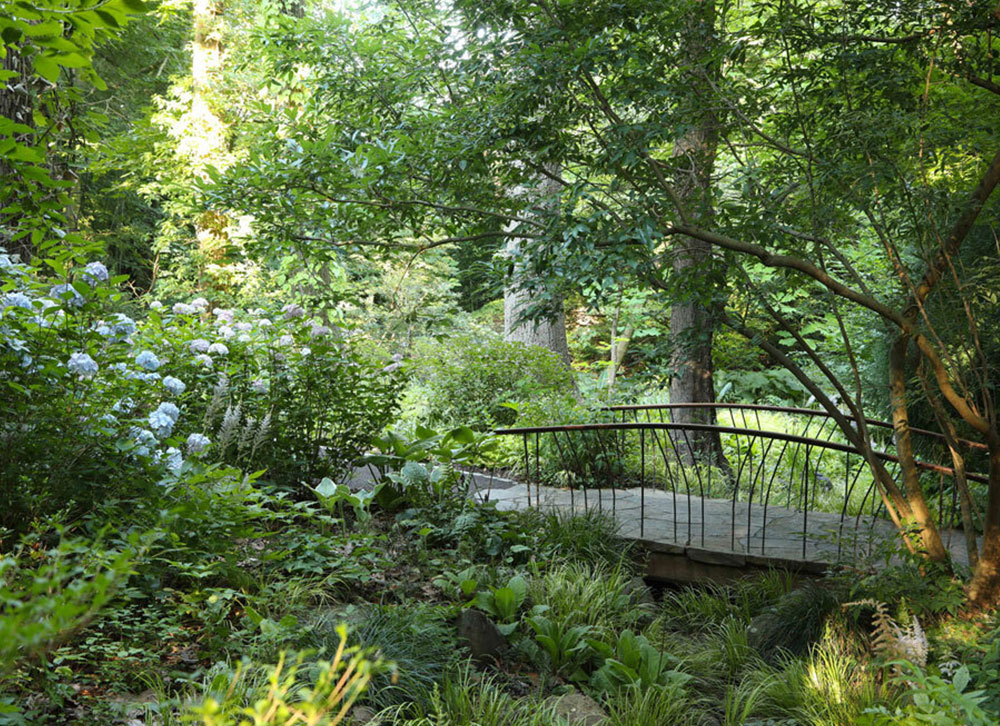
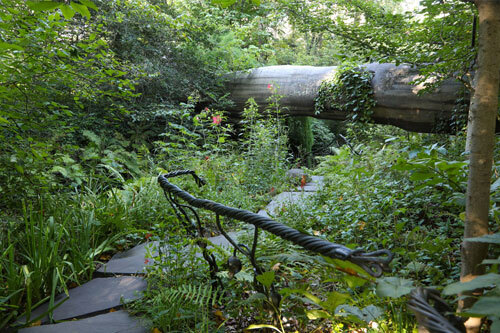
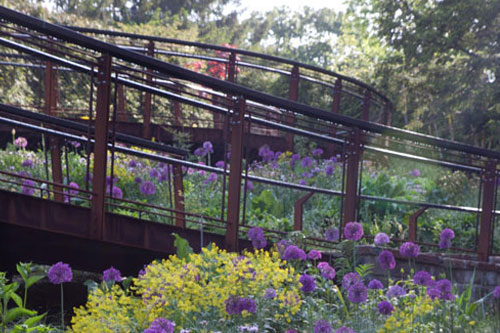
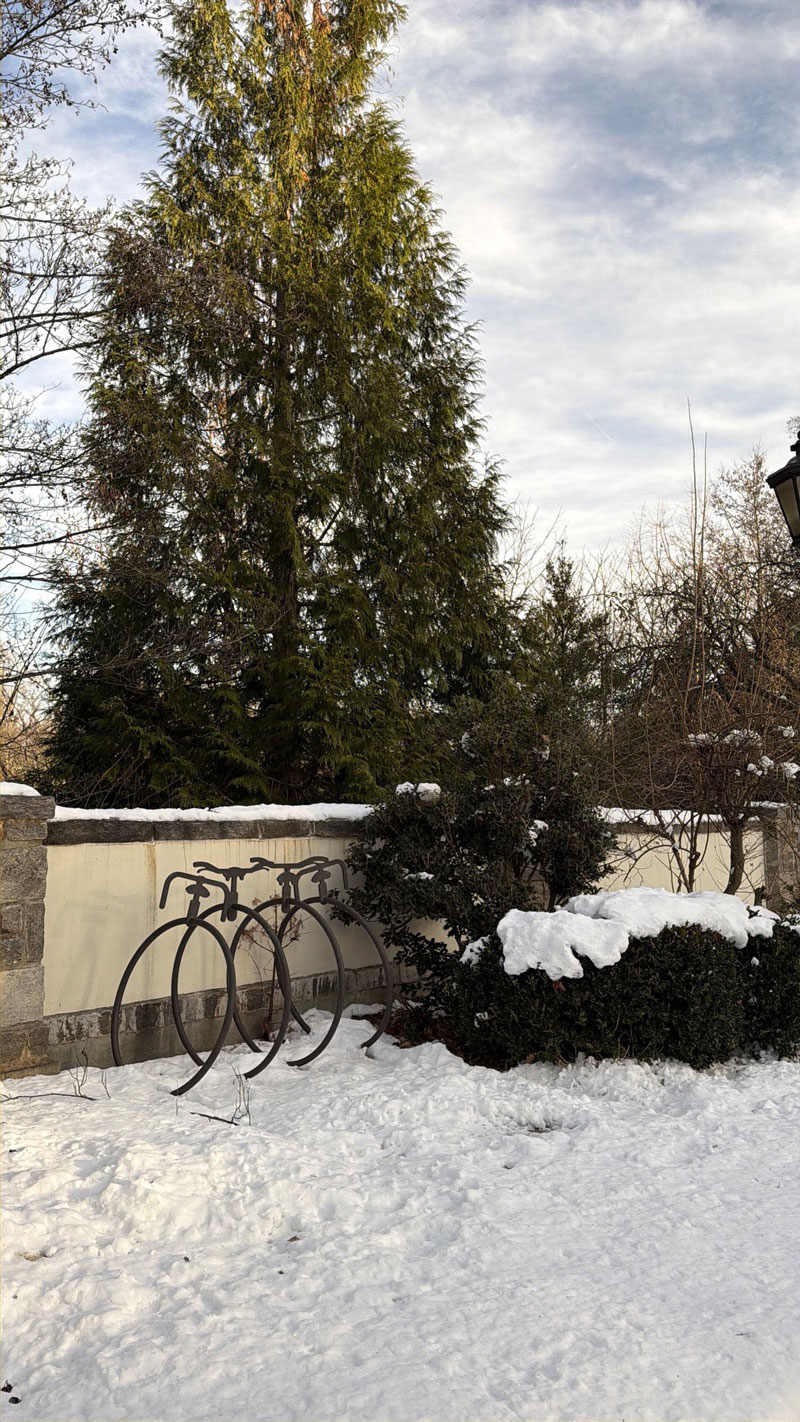
Benches, gates, bridges, plant list boxes, and other handcrafted details are more than functional; each reflects the maker’s vision and responds to the natural setting. From sculpture to seating, the staff artistry shapes the distinctive character of the garden and enriches the visitor experience.

Plant Lists

Use Plant Lists to explore each major garden area in detail.

Sustainability

Chanticleer demonstrates that beauty and environmental stewardship coexist and enhance one another. Our ecological practices are not separate “green” initiatives; they are integral to the garden’s philosophy and craft.
  • Solar panels produce 20% of the garden’s electricity.
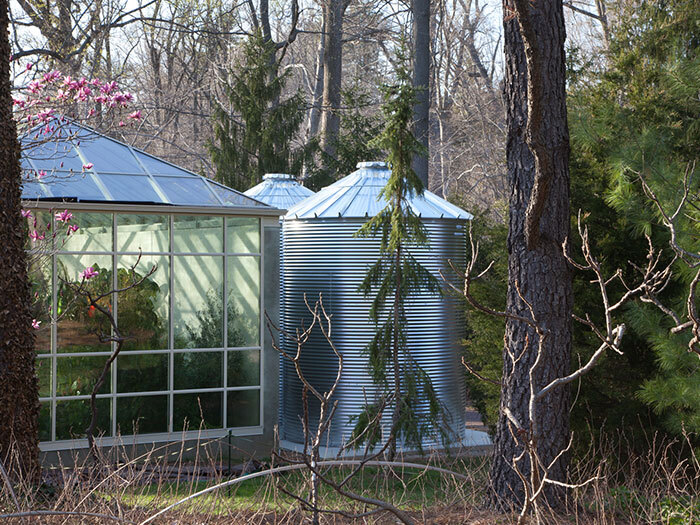
  • Cisterns capture approximately 50,000 gallons of rainwater for irrigation and aquifer recharge.
  • Lawns have been fertilized organically for over a decade.
  • Composting operations return nutrients to the garden.
  • Integrated pest management keeps pesticide use low, protecting pollinators and beneficial insects while maintaining plant health.
  • Meadows and sedges replace former lawn areas, providing habitat and reducing mowing and inputs.
  • Hundreds of trees have been planted on the property and along local streets since 1990.
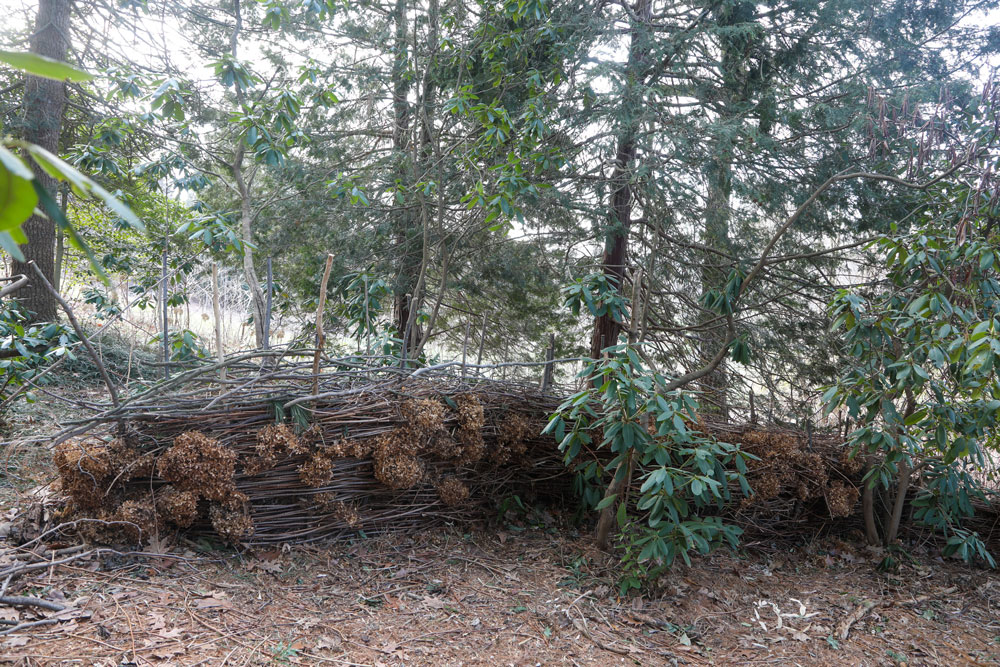
  • Invasive exotic species are actively removed to protect native ecosystems.
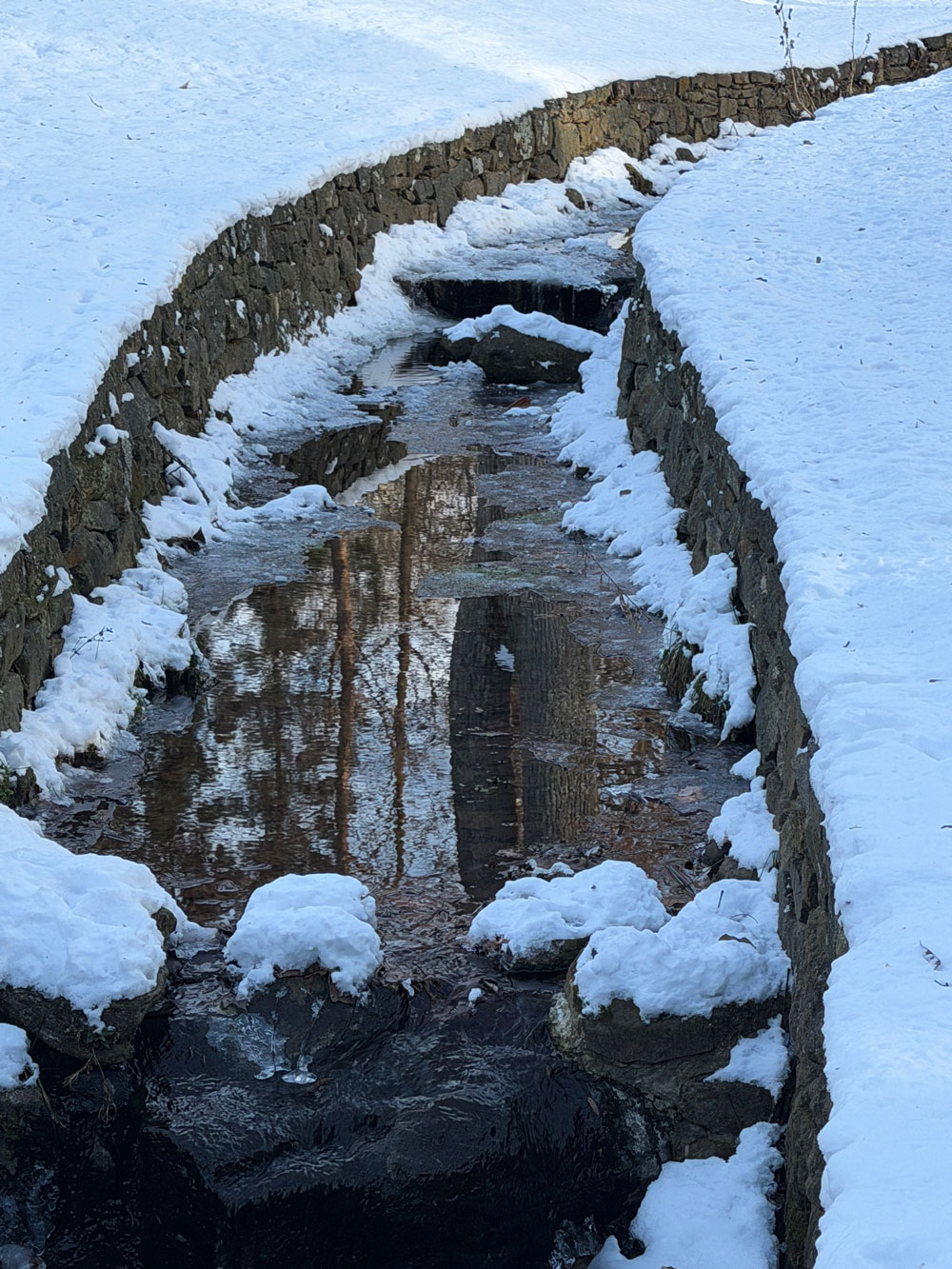
  • Bell’s Run Creek restoration projects improve water health through regrading, strategic plantings, and daylighting previously buried sections. These interventions slow water flow, reduce erosion, improve habitat, and allow water to filter gradually into the water table.
  • Furniture is made from wood harvested on-site or reclaimed materials.
  • Paths, like in Bell’s Woodland, are constructed from recycled tires, showing how sustainable materials integrate into garden infrastructure.
  • Staff-crafted benches, gates, bridges, and fountains use thoughtful material choices that minimize waste.

Biodiversity

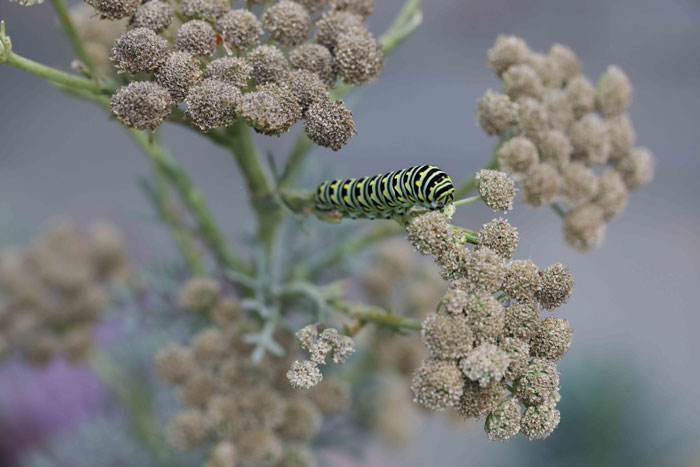
Our commitment to ecological stewardship supports a remarkable diversity of wildlife. Surveys reveal that over 1,000 species of insects, birds, reptiles, amphibians, and fish inhabit the garden.

Since 2020, Sarver Ecological has conducted surveys focused on native bees, ground beetles, and moths, critical pollinators and elements of local food webs. More than 15,000 specimens have been curated.

The Chanticleer Biodiversity iNaturalist project hosts over 3,000 photographic records and allows contributions from staff, local experts, and visitors. Over 200 observers have added more than 1,700 additional observations of non-plant species.

Chanticleer continues to improve habitat quality and management practices that support ecological processes, sharing lessons learned with gardeners, local communities, and visitors.


Ready to experience Chanticleer?

Plan your visit and discover a garden that changes with every season, and every visit.