Open Today 10:00AM to 5:00PM

History Overview

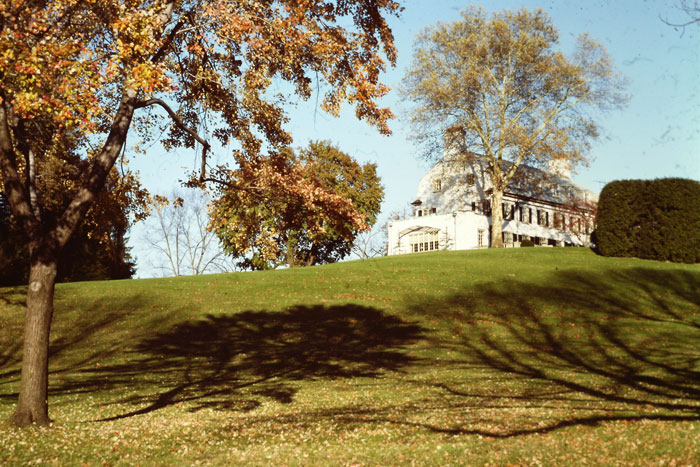
Chanticleer’s story begins with the Rosengarten family, whose arrival in Wayne, Pennsylvania, mirrored a broader American era of country estates. Adolph George Rosengarten, Sr., acquired the land in the early 1900s, naming it Chanticleer after a character from The Canterbury Tales.
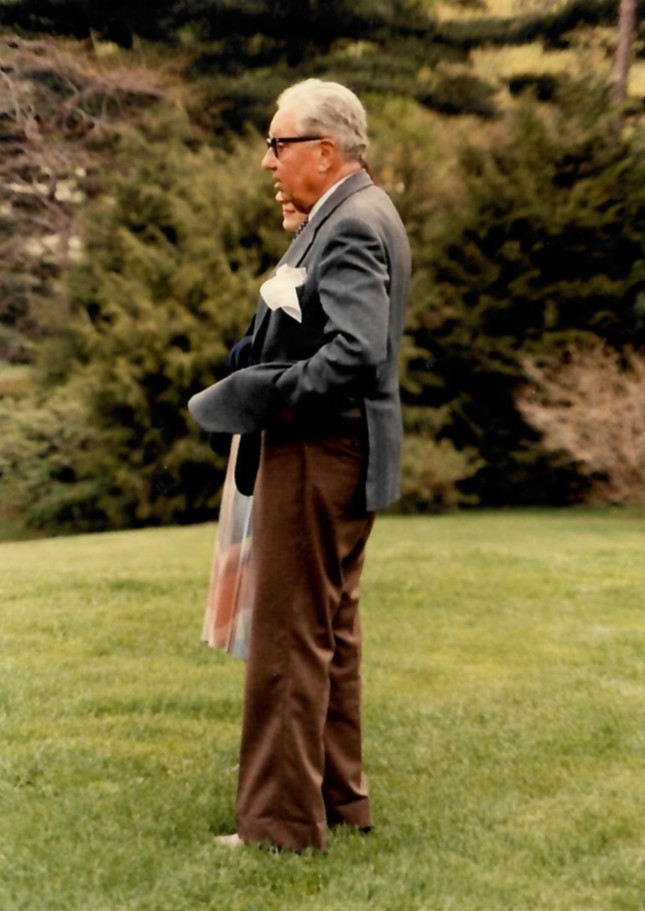
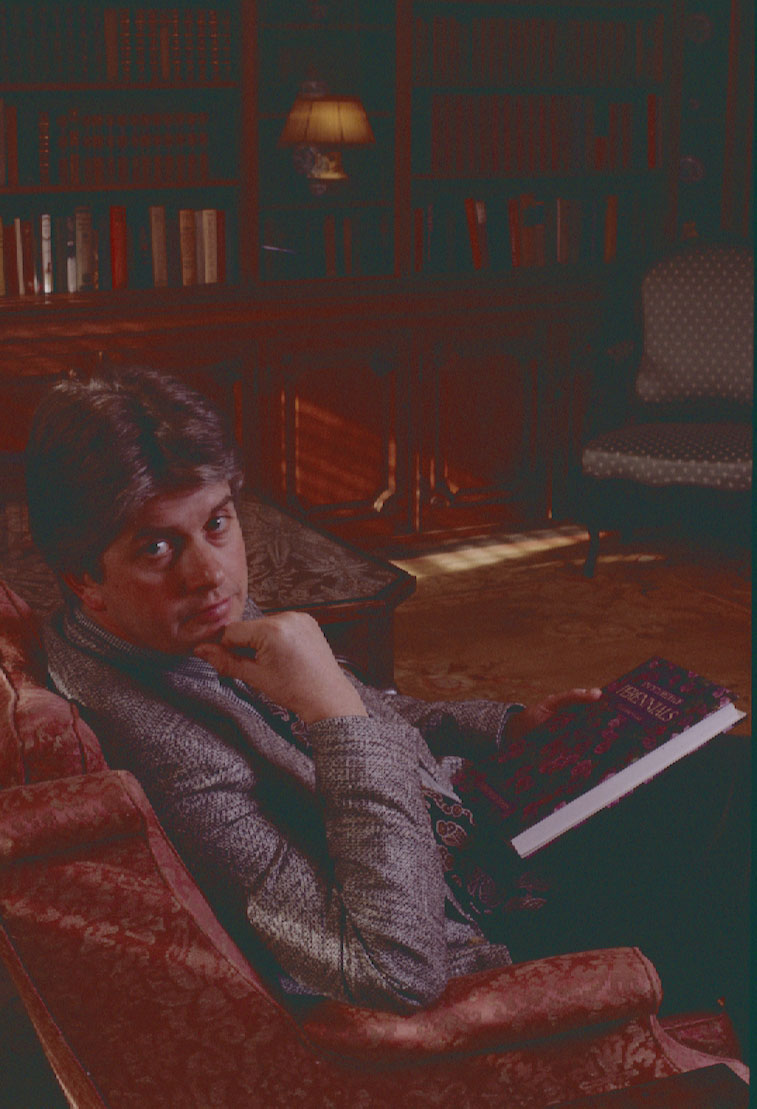
The property evolved over generations, with significant contributions from Adolph G. Rosengarten, Jr. and his wife Janet Newlin Rosengarten, whose love of horticulture expanded both the collections and spirit of experimentation that still define the garden. They quietly shaped the estate into a living expression of curiosity, restraint, and craft. In 1990, their bequest established Chanticleer as a public garden with the explicit instruction that it remain a place of pleasure rather than a memorial. Three years later, the garden opened to the public. Since then, Chanticleer has grown into a nationally recognized garden, known for its artistry, inventive plantings, and a philosophy in which horticulturists are empowered as designers, caretakers, and stewards. Today, the preserved house, sweeping lawns, and mature trees serve as bridges to the garden’s past, while evolving plantings and handmade elements express its ongoing creativity.
1822_George-David-Rosengarten
favicon

1822

George D. Rosengarten arrives in Philadelphia from Germany and enters the chemical manufacturing business.

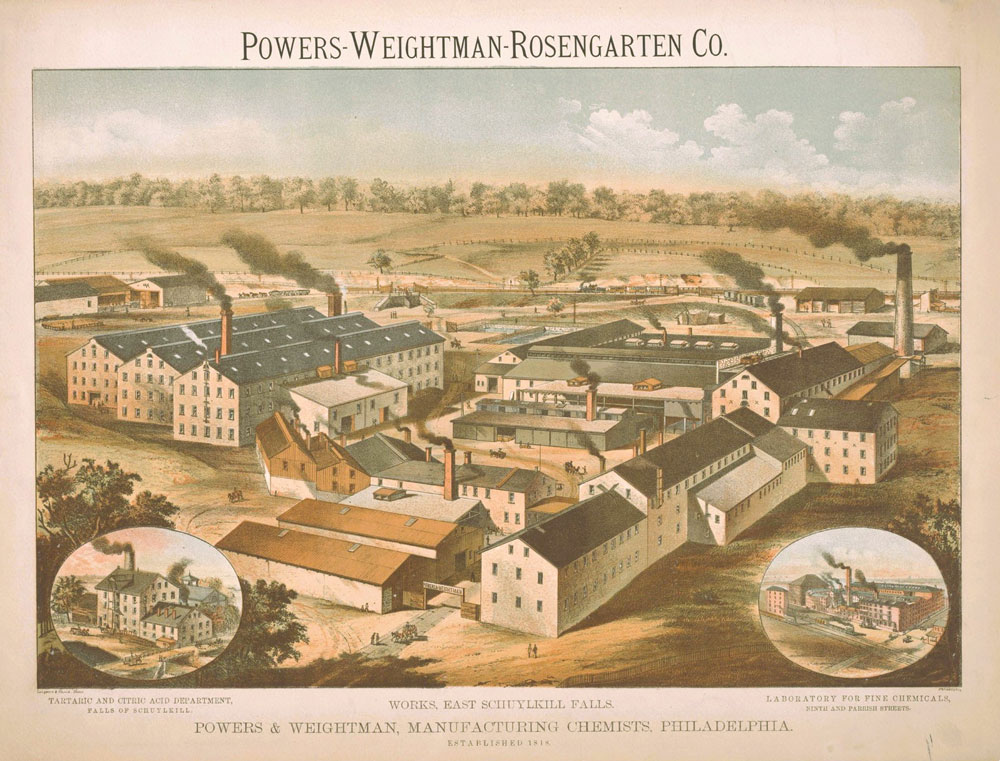
Born in 1801 to a family whose fortunes had been devastated by the Napoleonic Wars, the well-educated Rosengarten emigrates from Germany and initially works as an accountant in Philadelphia. In 1822, two Swiss chemists—Zeitler and Seitler—establish a chemical manufacturing enterprise in the city, though neither speaks English. When the partners fall into bitter dispute, Rosengarten, fluent in several languages, is called upon to mediate between them. His diplomatic skills prove successful, and in 1823 he purchases Seitler’s share of the business. Rosengarten continues with the firm under the name George D. Rosengarten & Co.

1826_Elizabeth-Bennet-Rosengarten
favicon

1826

George David Rosengarten and Elizabeth Bennet marry in Philadelphia.

George had arrived in America around 1819 and Elizabeth, born in 1809, meets George in Philadelphia, where their courtship leads to marriage. Together, they build a large and prominent family, welcoming eight children over the years.

1855_factory
favicon

1855

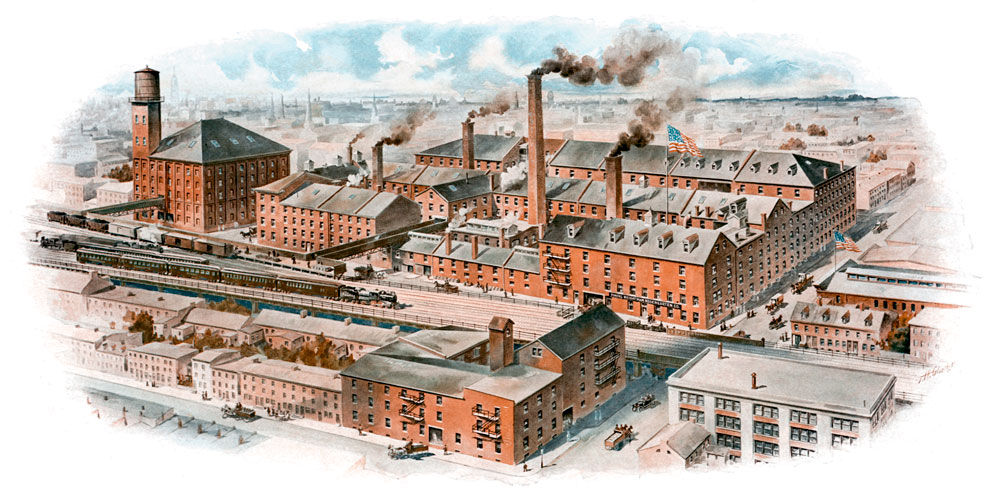
Rosengarten & Sons constructs a major manufacturing plant in Philadelphia.

The firm builds an expansive chemical plant in Philadelphia. The facility positions Rosengarten & Sons as a leader in specialized chemical manufacturing, particularly in plant alkaloid and bromine production. Within these walls, skilled chemists and workers produce quinine sulfate, essential for treating malaria, and manufacture morphine salts for medical applications. The plant also produces mercurials and strychnine, along with codeine.
1868_Harry-B-R
favicon

1868

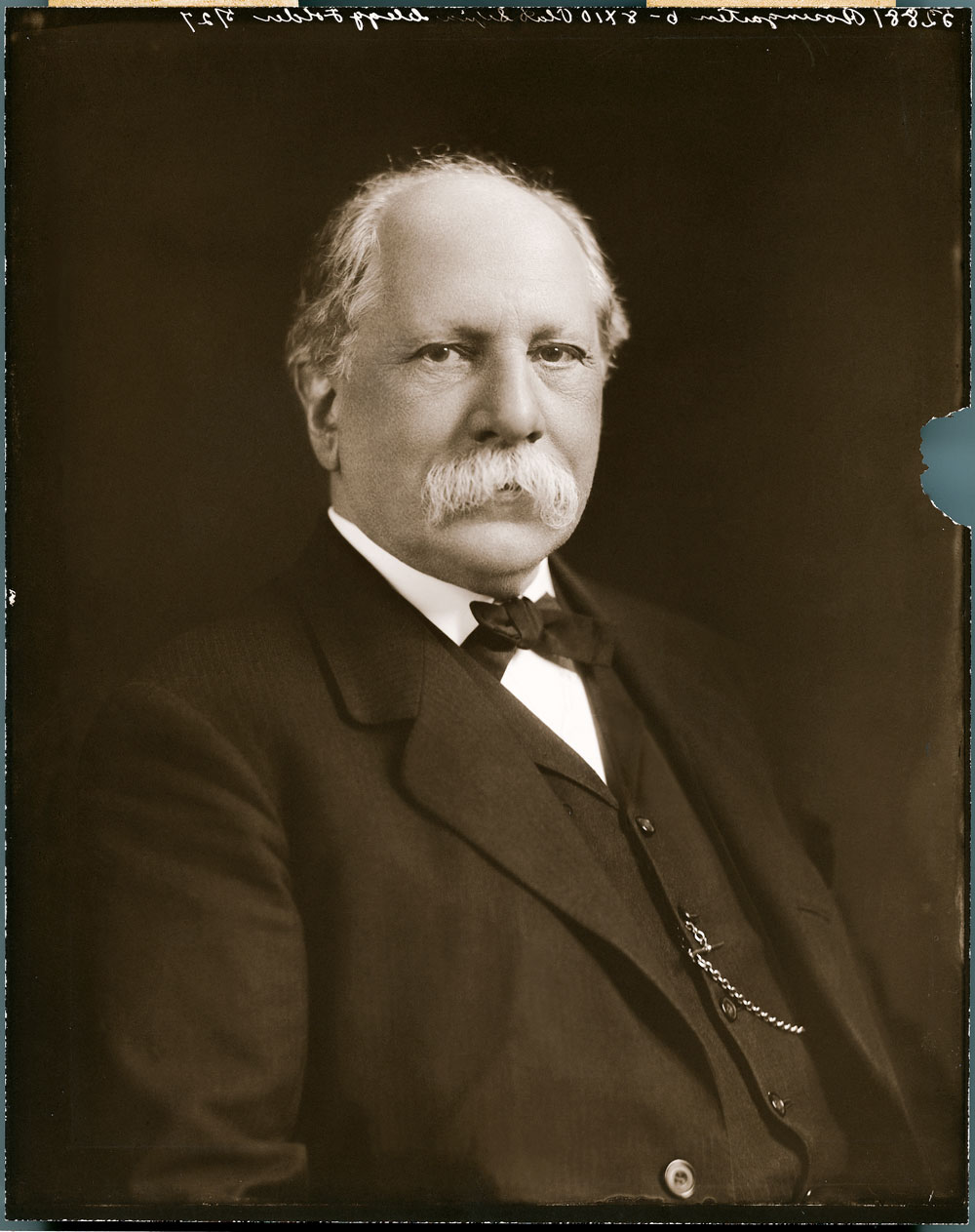
Harry Bennet Rosengarten marries Clara Johanna Knorr in Philadelphia.

Harry, born in 1837 as the fifth child of George David and Elizabeth Bennet Rosengarten, assumes leadership of the family’s chemical manufacturing firm, Rosengarten & Sons, founded by his father. As President, he skillfully guides the company through a significant transition, overseeing its evolution into Powers, Weightman & Rosengarten Co., where he continues to serve as President. Harry divides his time between Philadelphia and his expansive 300-acre model farm in Chester County, now the Malvern School, where he indulges his passion for breeding prize-winning cattle. His wife Clara, born in 1844, becomes the matriarch of a growing family. Together, they welcome seven children.
1892_AGR-Sr-option-2
favicon

1892​

Adolph G. Rosengarten Sr. joins the family chemical manufacturing firm.

Born in 1870 as the second son of Harry and Clara Rosengarten, Adolph enters Rosengarten & Sons and quickly demonstrates exceptional business acumen. By 1901, he rises to secretary and treasurer, the same year he marries Emily Christine Penrose. The newlyweds establish their home in a townhouse at 2212 Delancey Street in Philadelphia.
1905_AGR-Jr-&-Emily
favicon

1905​

Adolph G. Rosengarten Jr. is born in St. Davids, Pennsylvania.

Adolph Jr. is born at his uncle’s house in Radnor Township, the first child of Adolph G. Rosengarten Sr. and Christine Penrose Rosengarten. Four years later, in 1909, his sister Emily Penrose—affectionately known as “Penny”—is born in Philadelphia. Their childhoods unfold between the bustling streets of the city, where the family maintains their Delancey Street townhouse, and the gentler landscapes of the Main Line, where they will eventually establish their own country retreat.
1912_Chanticleer-House
favicon

1912​

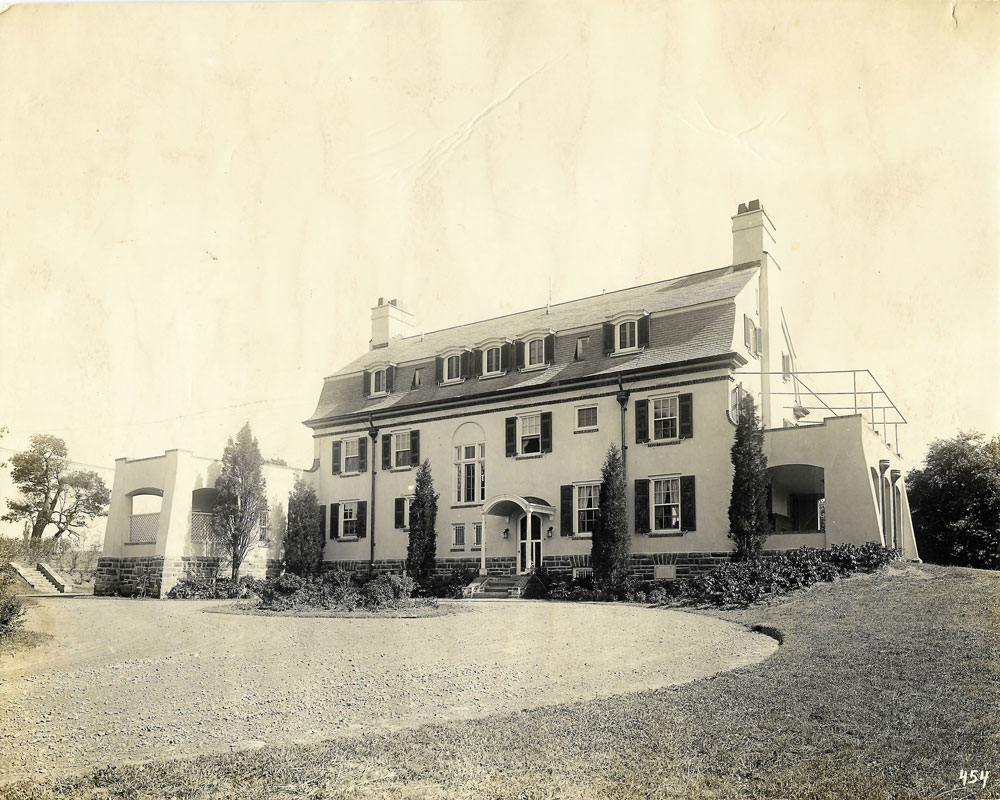
Adolph G. Rosengarten Sr. purchases seven acres in St. Davids to build a summer home.

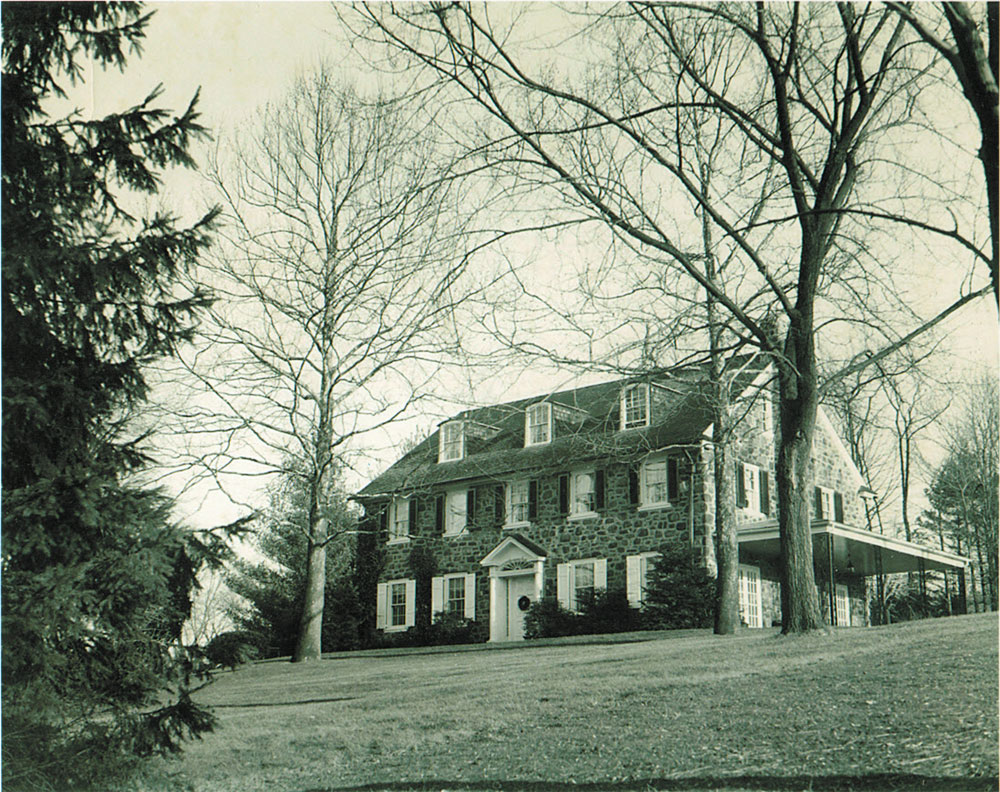
The land, originally farmland dotted with mills, lies in an area already favored by the Rosengarten family for country living. Adolph Sr.’s parents, maintain an estate in nearby Malvern. For the design of the house, Adolph turns to his close friend and University of Pennsylvania classmate Charles L. Borie, who works at the architectural firm Zantzinger, Borie and Medary. Borie creates an elegant blend of English and French country house styles with the American colonial revival interpretation of Georgian architecture. The house features a central hall flanked by a parlor on one side and a dining room and kitchen on the other.
1913_Sears-Design
favicon

1913

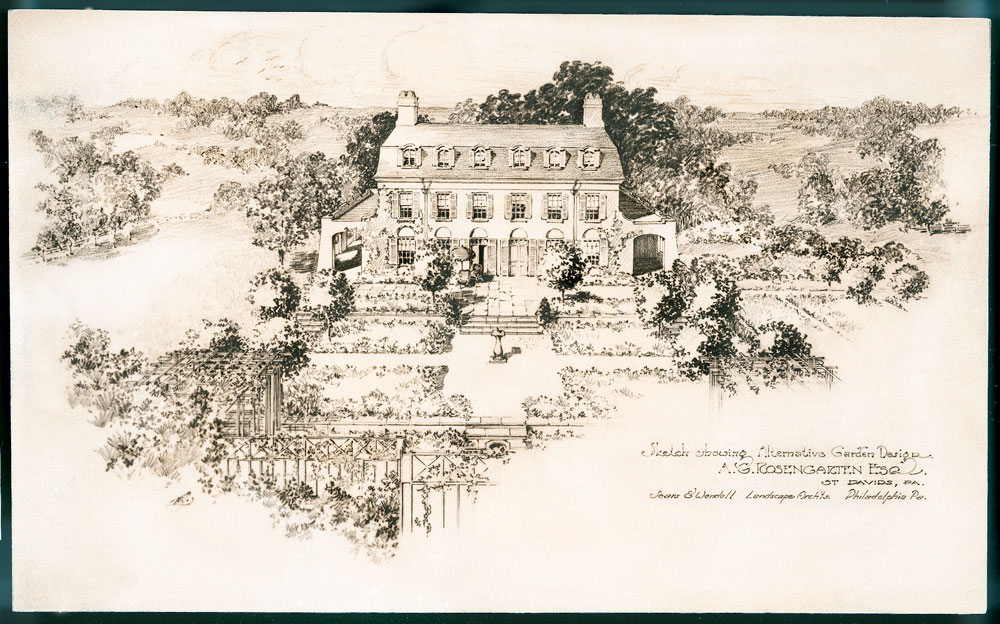
Landscape architect Thomas Warren Sears designs the terraces at Chanticleer.

A Philadelphia-based landscape architect, Sears designed a diverse range of landscapes throughout his career—from private residences, schools, and playgrounds to parks, cemeteries, and urban housing developments—located primarily in Pennsylvania, Maryland, and New York. At Chanticleer, he creates sweeping terraces that flow seamlessly from the house, conceived as architectural extensions that blur the distinction between built structure and natural landscape.
1924_Chanticleer-House-addition
favicon

1924

The Rosengartens expand Chanticleer and establish it as their year-round residence.

The original dining room is converted into a wood paneled library, while a new formal dining room and breakfast room are added to the first floor. A large bedroom is constructed on the second floor, enhancing the home’s comfort and functionality. Following the renovations, the Rosengartens make Chanticleer their full-time residence, leaving behind their Delancey Street townhouse in Philadelphia.
1924_Chanticleer-House-addition
favicon

1927​

Powers-Weightman-Rosengarten Company merges with Merck & Co., creating America's largest pharmaceutical manufacturer.

George W. Merck and Frederic Rosengarten, recognizing the advantages of combining the assets and facilities of two outstanding producers of fine chemicals, arrange a consolidation plan that receives unanimous approval from stockholders of both companies. The merged entity operates under the name of Merck & Co., Inc., bringing together the Rosengarten family’s century-old chemical manufacturing legacy with Merck’s established pharmaceutical prowess. According to New York World, the merger creates the largest manufacturer of pharmaceutical goods in America, capable of producing literally “everything used by the pharmacist at his prescription counter.”
1930_Minder-House
favicon

1930​

Adolph G. Rosengarten Jr. graduates from the University of Pennsylvania Law School.

Having earned his undergraduate degree from Princeton in 1927, Adolph Jr. completes his legal education and embarks on a law career. In 1933, he marries Janet G. Newlin. As a wedding gift, Adolph Sr. and Christine purchase a 1925 residence situated just down the hill from the main house and present it to the newlyweds. The couple names their home Minder House, and Janet and Adolph enjoy a shared passion for creating beautiful gardens around their new home.
1935_Emily-Rosengarten
favicon

1935​

Emily Penrose Rosengarten marries Samuel Goodman III, and her parents give the couple a house adjacent to Chanticleer.

A newly constructed residence next to Chanticleer that nearly matches the main house in architectural style was completed in 1937. Emily and Samuel, who works in the lumber importing business, settle into married life and begin raising their family, welcoming daughter Christine in 1937 and son Edward in 1939. Tragedy strikes in 1946 when Samuel succumbs to a sudden illness, a devastating loss that comes just months after the death of Emily’s beloved father, Adolph Sr. Emily remarries in 1949 to Orton P. Jackson—with whom she has another son, Orton P. Jackson Jr., in 1951.
1941_Soldier-AGR-Jr
favicon

1941

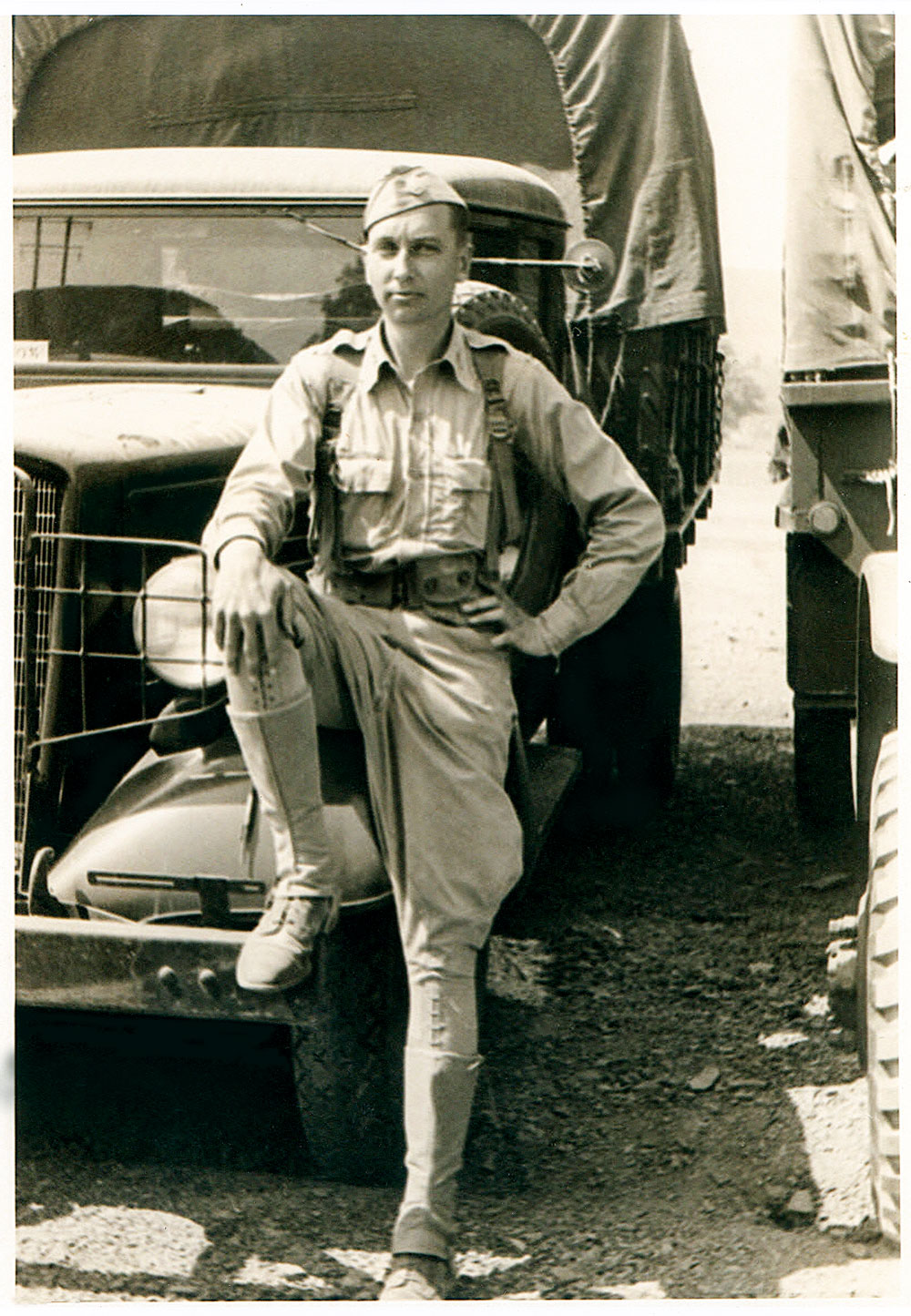
Adolph G. Rosengarten Jr. enlists in the U.S. Army at the outbreak of World War II.

Beginning a military career that remains cloaked in secrecy for decades—unknown even to relatives and friends—Adolph Jr. trains at the legendary Bletchley Park Code and Cipher School in England, the nerve center of Allied cryptographic operations. He participates in the invasion of France, demonstrating exceptional service that earns him a Bronze Star and five battle stars while rising to the rank of lieutenant colonel. This wartime experience ignites a passion for military history, leading him to pursue and complete a doctorate at the University of Pennsylvania after the war.
1973_Howard-Holden
favicon

1973

Adolph G. Rosengarten Jr. hires Howard Holden as gardener for the property.

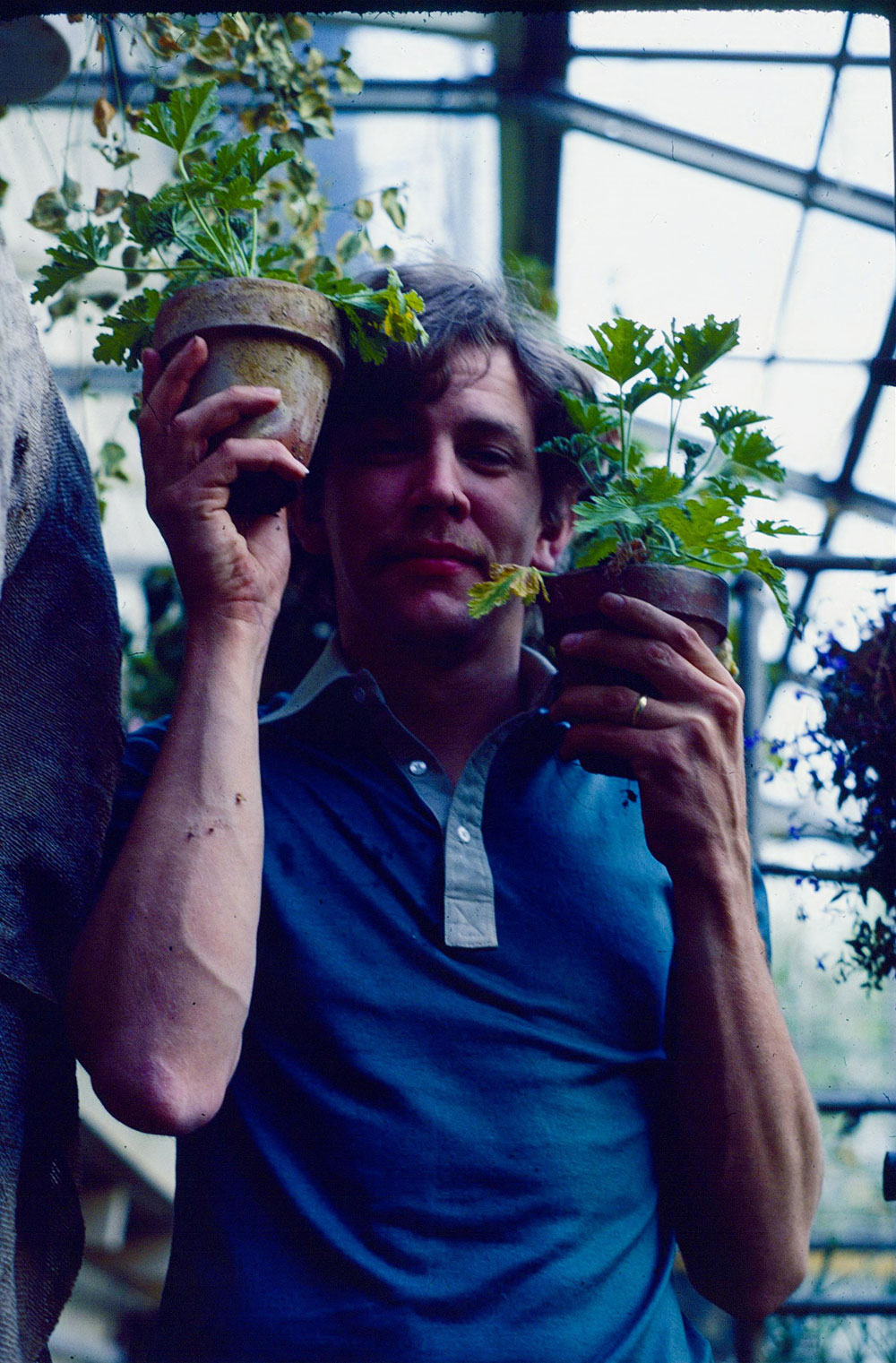
Responding to a classified advertisement in a local newspaper reading “Gardener wanted for Main Line estate,” Howard Holden recognizes a promising opportunity. About a week after submitting his application, he receives a handwritten letter from Adolph Rosengarten Jr. Within a month, he begins working alongside the experienced gardeners, absorbing all the knowledge about the property. Two years later, Howard is promoted to senior horticulturist, overseeing a staff of six committed to the garden’s ongoing evolution.
1973_Howard-Holden
favicon

1976​

The Pennsylvania Horticultural Society (PHS) holds a symposium at Chanticleer that inspires Adolph Jr. and Janet to envision the estate as a future public garden.

Adolph and Janet maintain active involvement with PHS throughout the 1970s, with Adolph serving on the PHS Library Committee for several years. In August, Chanticleer is one of seven host sites for the PHS symposium “America’s Garden Legacy: A Taste for Pleasure.” The format calls for an afternoon tour of the sponsoring institution’s grounds, followed by a reception, dinner, and evening lecture. The program lists:

“August 14 -Chanticleer, Wayne, PA, owned by Mr. and Mrs. Adolph G. Rosengarten. The grounds and plantings of interesting plant material were beautifully manicured. The hosts had provided a tent for dinner, which was fortunate, since a thunderstorm broke just as the lecture began.”

The event proves transformative for Janet and Adolph Jr., planting the seed of an idea that will ultimately shape Chanticleer.

This same year, Adolf Jr. established the Chanticleer Foundation and Chanticleer House is listed on the National Register of Historic Places.


1978_Chanticleer-house-from-serpentine-HH
favicon

1978​

Adolph Jr. consults with garden and arboreta experts about Chanticleer's future as a public space.

As his vision for opening Chanticleer to the public takes shape, Adolph seeks guidance from distinguished advisors in the horticulture field. Though the property boasts many large and beautiful trees, he’sadvised to establish Chanticleer as a pleasure garden rather than an arboretum. This counsel proves pivotal, steering Chanticleer toward becoming a place of beauty, artistry, and horticultural innovation rather than a botanical collection focused primarily on woody plants.
1983_Chris-Library-option-2
favicon

1983

Adolph Jr. hires Christopher Woods to advance the garden’s development.

As Adolph focuses increasingly on the property’s future during the 1980s, he contemplates the longevity of the garden beyond his own lifetime. Woods, who began his career at the Royal Botanical Gardens at Kew where he trained as a gardener, had arrived in the United States in 1981. In 1989, landscape architect Rodney Robinson is hired to develop a comprehensive Garden Master Plan, establishing a strategic vision for Chanticleer’s transformation into a public space.
1990_-rooster-statue-is-bathed-in-morning-light-at-Chanticleer-House
favicon

1990

Adolph G. Rosengarten Jr. passes away, leaving Chanticleer to the public.

Upon his death, Adolph Jr. bequeaths the entire estate for the enjoyment and education of future generations, fulfilling the vision he cultivated throughout the 1970s and 80s. Christopher Woods assumes the role of founding Executive Director, tasked with transforming the private family retreat into a world-class public garden. A nine-member Board of Directors, including six Rosengarten relatives, oversees The Chanticleer Foundation, ensuring the family’s values and vision continue to guide the property’s stewardship.
1993_Chanticleer-Wildflower-Lawn.-LR
favicon

1993​

Chanticleer opens its gates to the public for the first time.

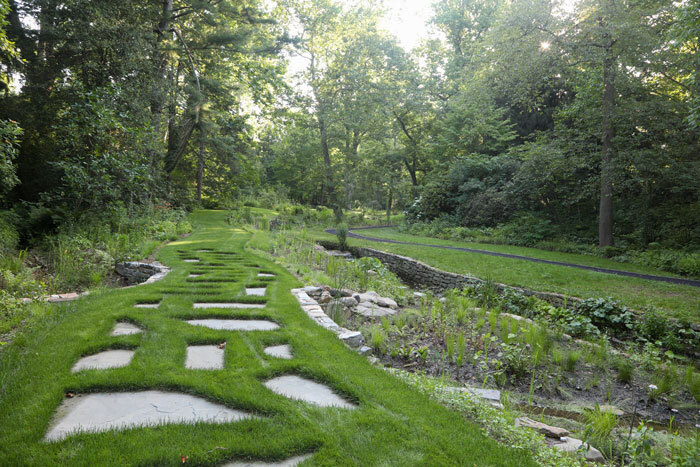
After years of planning and preparation, including the installation of the main pathway in 1992, Chanticleer welcomes visitors to experience the gardens that have been cultivated across three generations of the Rosengarten family. What was once an intimate family estate becomes a place of beauty and learning accessible to all, fulfilling Adolph Jr.’s dream of sharing this horticultural treasure with the world.
1999_Ruins-Garden-option-2
favicon

1999-2000​

Minder House is demolished, and the Ruin is completed.

The 1925 residence that Adolph Sr. and Christine gave to Adolph Jr. and Janet as a wedding gift in 1933 is removed, and on its footprint rises the evocative structure known as the Ruin. This bold design decision transforms the site into one of Chanticleer’s most distinctive and atmospheric garden rooms, where architecture and nature intertwine in unexpected ways.
2003_Bill-Thomas,-Chanticleer-Executive-Director-_headshot
favicon

2003​

Bill Thomas is hired as Executive Director, succeeding Christopher Woods.

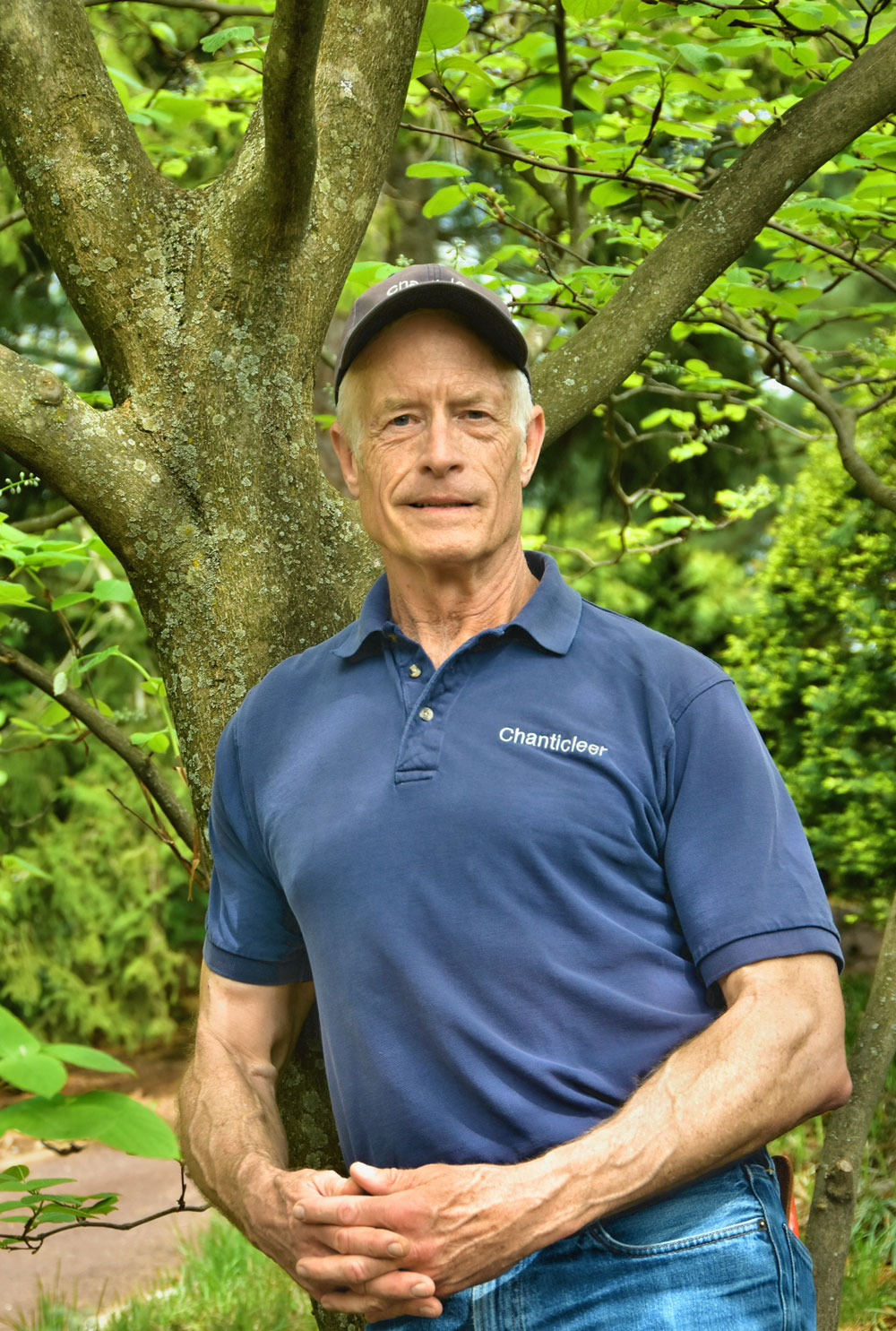
Under Thomas’s leadership, Chanticleer continues its ambitious expansion and refinement. Previously, he was at Longwood Gardens for 26 years, the last five in Research and Production and the prior 21 in Education. Bill leads the talented and creative Chanticleer staff in its continued development of the young garden, now in its 32nd year. He emphasizes an educational, environmentally sensitive, and multi-century approach to the property and is unifying the former estate into one cohesive garden. The staff and he co-authored The Art of Gardening (Timber Press), recipient of the American Horticultural Society (AHS) Book Award. He received the Scott Medal and Award in 2017 and the AHS Professional Award in 2016. He holds a B.S. and an M.S. in Ornamental Horticulture from the University of Wisconsin-Madison, where he studied under Professor Edward Hasselkus.

That same year, the Chanticleer Overlook with its distinctive balustrade is completed, offering visitors sweeping views across the landscape.

2004_Japanese-inspired-restroom-is-nestled-in-to-the-Asian-Woods-Garden.-LR
favicon

2004-2011​

Chanticleer undergoes extensive development and expansion.

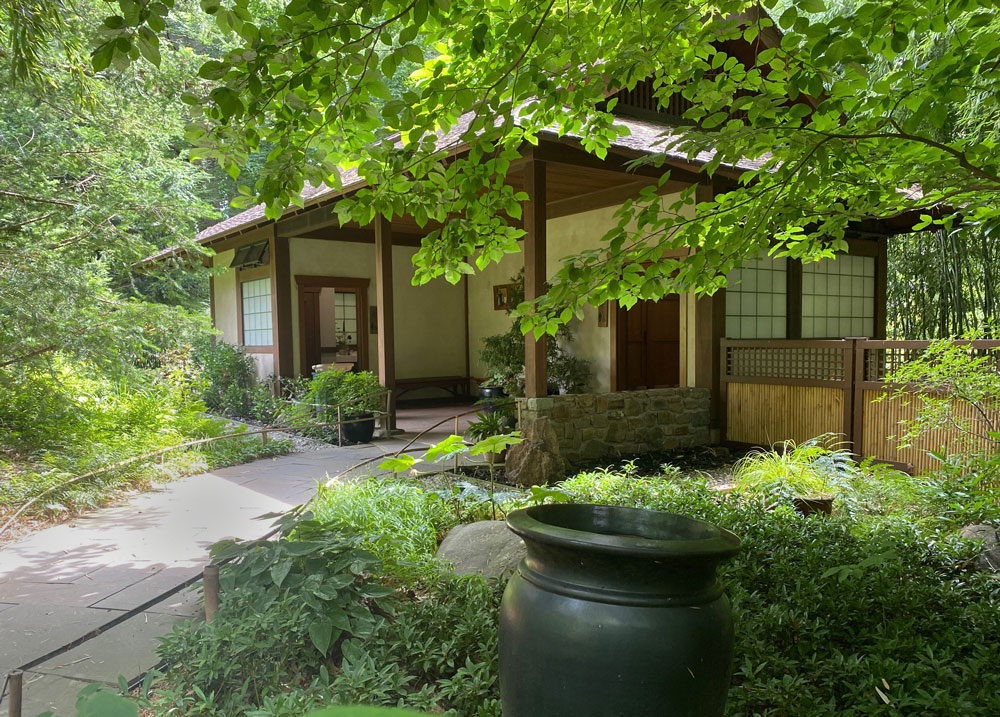
A remarkable period of growth transforms the garden’s infrastructure and visitor experience. The Brooke Road garage is completed in 2004, followed by the Asian Restroom in 2006 and the Visitor Service Pavilion in 2008. A large cistern is added at 812 Church Road in December 2008, supporting the garden’s water management needs. In 2009, the Pond Arbor is rebuilt, an aluminum bridge is installed in Bell’s Woodland, and the Bell’s Woodland path is completed. The Brooke Road Greenhouses are finished in October 2011, the same year that the Cyclops Creek daylighting project is completed, revealing a once-hidden waterway.
2012_-Elevated-Walkway-option-2
favicon

2012-2015

Expansion continues with new accessible features.

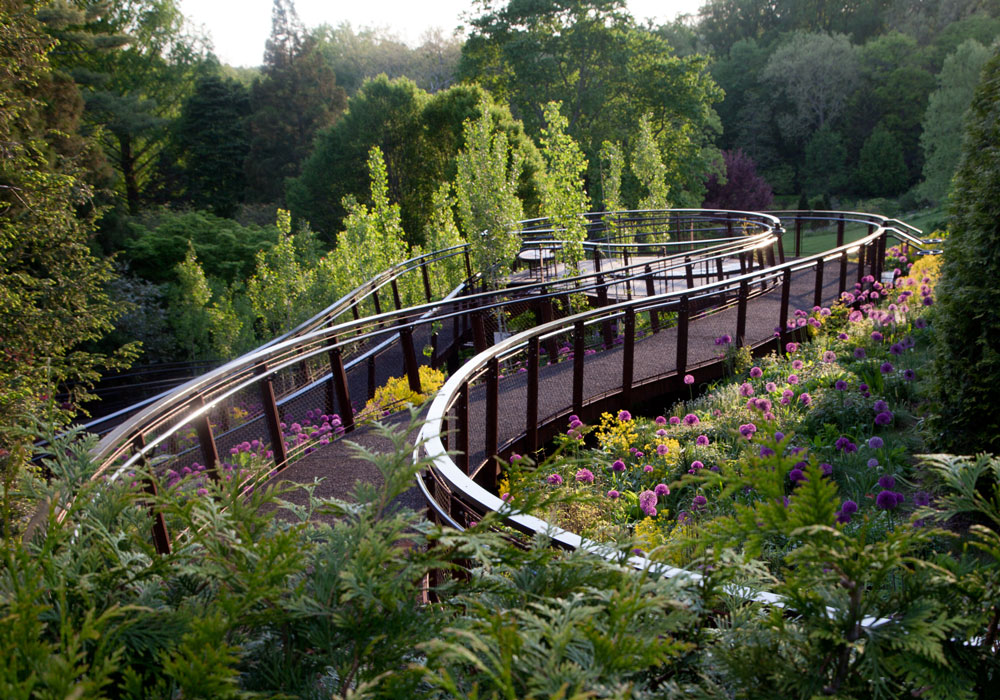
The striking Tree Bridge is completed in 2012, creating an elevated pathway through the canopy. The Picnic Greenhouse is rebuilt in 2013, Greenhouse Cisterns are installed in 2014, and the Elevated Walkway is completed in 2015—a fully accessible elevated walkway that weaves its way in and out of a woody slope, offering visitors new perspectives on the garden’s layered beauty while ensuring that all guests, regardless of mobility, can experience the magic of the wooded hillside.
2019_Tennis-Court-Garden
favicon

2019-2021

Chanticleer continues to evolve with a Tennis Court redesign and Pond project.

The former tennis court, one of the first areas transformed when the garden opened to the public, is refreshed and reimagined in 2019, demonstrating Chanticleer’s commitment to creative reinterpretation of existing structures and its philosophy that even beloved spaces can be reinvented for new generations. In 2021, the comprehensive Pond project is completed, enhancing one of the garden’s central water features and reinforcing Chanticleer’s reputation as a garden that never stands still—always growing, changing, and surprising visitors with fresh perspectives on the art of horticulture.